Key takeaways
- A home guide to pretend forsythia play and woodland note keeping, with arching paper bloom stems, counting games and calm sorting play for family rooms.
Forsythia is one of the first shrubs to bloom in early spring, and it does so in a way that makes it easy to copy in paper. The real shrub flowers on bare stems, before a single leaf opens, so a whole arching branch can be covered in bright yellow bells while the wood is still plain brown. This guide follows that order exactly. The play pieces come in two sets: long arching paper stems crowded with four-petal yellow bell blooms, and a second, later set of plain green oval paper leaves that belong to the weeks after the flowers fade. Children stand the bloom stems in a jar or lean them along a row of sticks on a windowsill, building a small woodland edge indoors.
The play here is quiet and unhurried. A child can count the blooms down one stem, sort the stems by how many blooms each one carries, and note which stem arches the lowest over the sill. The pieces are cut, folded and glued paper, nothing more, and they carry no scent at all, so nobody should expect the sweet smell of a real spring shrub from them. The blooms crease if they are squeezed, and the long stems bend if they are bunched into a tight fist, so the set rewards gentle handling.
As an Amazon Associate, we earn from qualifying purchases.
How to choose
Begin with the bloom stems, because they carry the whole idea. Look for stems that arch in a long, natural curve rather than short straight sticks, since the arch is what makes a windowsill row read as a shrub edge. Each bloom should be a simple four-petal bell in a clear, bright yellow, folded so the petals open outward instead of lying flat. A good set gives each stem a different bloom count, because counting and sorting are the heart of the play: one stem may carry six blooms, another eleven, another only four near the tip. Brown paper wrapped around a soft wire core works well, since it bends into an arch and holds the shape.
Choose the leaf pieces second, and keep them plain. Forsythia leaves are simple ovals with a pointed tip, so the paper version needs no fancy cutting: a smooth green oval, paler on the back, is enough. Leaves should arrive as a separate bundle, not glued onto the bloom stems, because the real shrub blooms first and leafs out later, and keeping that order is part of what children learn. A few spare blooms and leaves are worth having, since a fresh bloom can replace a flattened one in seconds.
Then think about how the stems will stand. A heavy jar, a row of sticks in a tray of dry sand, or a line of small blocks along the sill all work, as long as the stems stand apart so each arch can be seen on its own. Finally, plan where the notes will live. This play produces small facts worth keeping: bloom counts, sorting results, which stem arched lowest. A pocket notebook and pen turn those facts into a woodland note habit.
Safari Ltd. Wild Toob

A pretend woodland edge feels more alive when a few small animals are standing in it, and this figure set gives children a ready population for the space under the paper stems. The figures are small enough to tuck between the arches without knocking the blooms, and sturdy enough to be moved, lined up and counted many times over. A child might place a deer at the end of the row, hide a fox behind the lowest arch, or march a line of smaller creatures along the sill as if the shrub edge were the border of a much bigger wood. The set also gives the note keeping a second subject: alongside bloom counts, a child can record which animal stood where, and whether the arrangement changed from one afternoon to the next.
Because the figures are molded in fixed poses, they invite arranging rather than rough play, which suits the gentle pace of this guide. The yellow blooms stay the bright focus, and the animals supply the story. The set is a simple one, with no moving parts and no scenery of its own, so the woodland setting comes entirely from the paper work around it. Kept in a pouch between sessions, the figures stay together and the scene can be rebuilt in a few minutes.
Specs
- Type: Animal figure set
- Note: Discontinued by manufacturer
feela Pocket Notebooks

The note side of this play needs a book small enough to sit beside a jar of paper stems without crowding the sill, and these pocket notebooks fit that spot well. A three-pack means one book can belong to the forsythia set alone: bloom counts on the first pages, sorting results after that, and a fresh page for each new arrangement of stems and animals. The pages take pen and pencil cleanly, and the books are light enough for a child to carry from the table to the windowsill and back. A child can mix writing with small sketches of an arching stem or a row of bells, which is often how woodland notes grow.
One honest limit belongs here: these are everyday jotting books for logs and lists, and they should never be used for full passwords or anything private that needs to stay locked away. For this play, that limit is no hardship, since the contents are bloom numbers and animal positions. The covers stand up to being opened and closed many times a day, and when one book fills, the next in the pack is ready. Keeping a dedicated book with the pieces also teaches a gentle routine: the play is not finished until the notes are written.
Specs
- Pack size: 3 notebooks
- Format: Pocket size
- Use: Logs and lists
- Note: Never for full passwords
Pilot G2 Pens
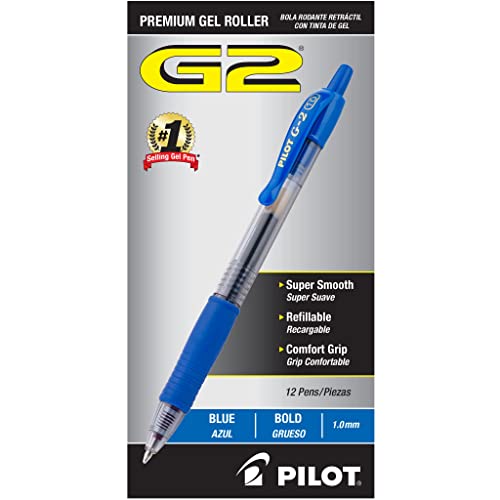
Every count and label in this play needs a pen that writes the moment it touches the page, and these gel pens are the sort of everyday tool that does exactly that. The ink goes down in a smooth, dark line that stays easy to read on small notebook pages, which matters when a child is writing bloom counts in a hurry before the stems get rearranged. The pens are comfortable for longer stretches of writing too, so a grown-up can help record a full sorting session without the cramped feel of a stubby pencil. A fine point suits the work here: numbers stay neat in narrow columns, and small labels for each stem fit on slips of card without crowding.
Gel ink also behaves well on the little paper tags this play uses. Tie a tag to each stem with its bloom count, and the pen writes on the card without feathering into the fibres. The pens are ordinary in the best way: no fuss, no special paper, nothing to charge or maintain. Keep one pen with the notebooks and a spare with the paper pieces, and the recording side of the play never stalls.
Specs
- Type: Gel pens
- Use: Notes and labels
- Ink: Gel
Vantasii Canvas Zipper Pouches
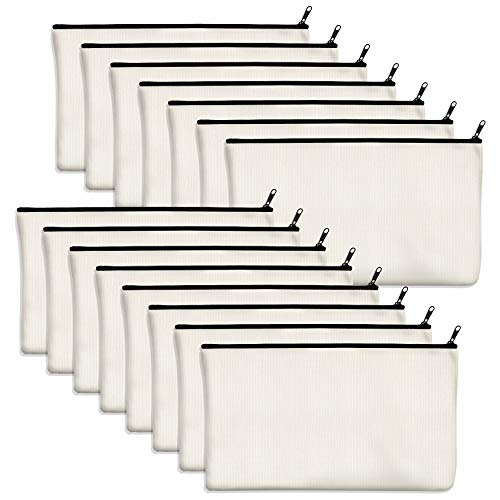
Paper blooms and leaves are light, flat and easy to lose, so storage matters more than it might seem, and these canvas pouches give the whole set a calm home. Fifteen pouches is a generous count: one for spare blooms, one for the leaf bundle, one for stem tags and labels, and plenty left over for other small craft pieces. The canvas is soft enough not to crush folded petals when a pouch is closed gently, and the zipper keeps flat pieces from sliding out into a drawer and vanishing. A child can learn the tidy-up routine quickly, since each pouch has one job and the job never changes.
The pouches are for dry storage only, and that point deserves to be plain: they are not waterproof, so a damp cloth or a freshly glued piece still drying should never be sealed inside one. Let glued blooms dry in the open air first, then file them away. The canvas also takes a written label well, so a pouch can carry its contents on the front in pen.
Specs
- Pack size: 15 pouches
- Material: Canvas
- Closure: Zipper
- Water resistance: Not waterproof
Fashion Angels Alphabet Sticker Book

Labels are where the counting play turns into early letter work, and this sticker book supplies the alphabet that ties the two together. A child can spell out a stem’s name on its tag, mark the sorting groups with big clear letters, or title the notebook pages: BLOOMS, LEAVES, ANIMALS. The stickers are sized for small fingers to peel and place, and the letters are plain enough to read from across the table, which helps when a grown-up is checking a sorting result from the other side. Using stickers instead of writing every word also keeps the pace gentle for children whose handwriting is still slow.
The book works best as a letters and labels tool rather than a decoration free-for-all. If every bloom gets a sticker, the paper work disappears under the shine, so a light rule helps: stickers go on tags, cards and notebook pages, not on the blooms and leaves themselves. Kept that way, one book lasts through many sessions, because each arrangement only needs a handful of letters. The sticker pages also give younger siblings a way to join in, spelling their own labels while an older child handles the counting.
Specs
- Type: Sticker book
- Use: Letters and labels
FAQ
Why do the blooms come before the leaves in this play?
Because that is how the real shrub grows. Forsythia flowers on bare stems in early spring, and the leaves open afterward. Keeping the pieces in two separate sets, blooms first and leaves later, lets children notice that order and talk about it, and gives the set two rounds of play instead of one.
Do the paper blooms have any scent?
No. The pieces are cut, folded and glued paper, and paper carries no scent. If a child asks, it is a good moment to explain that the set copies the shapes and colors of the plant, not its smell.
What should we do when a bloom gets creased or a stem bends?
Creased blooms can usually be opened gently with a fingertip and pressed flat under a book for a while. Keeping spare blooms in a pouch makes repairs simple: swap in a fresh one and keep playing. A bent stem can be eased back into its arch by hand, slowly, rather than forced.
How long does one play session usually last?
Most families find twenty to forty minutes is a natural span: a few minutes to stand the stems, a round of counting and sorting, time to place the animals, and a few minutes at the end for notes. The set packs away quickly, so short sessions are easy to repeat.
Final verdict
Pretend forsythia works because the real shrub does something simple and striking: it covers bare stems with yellow bells before a single leaf appears. Copy that one fact in paper, and the play almost runs itself. Children count blooms down an arching stem, sort the stems by their counts, argue kindly over which arch dips lowest, and write the results down like young keepers of a tiny woodland edge. The leaf pieces, arriving as a second set just as they do outdoors, give the game a second act.
None of the helpers in this guide is complicated, and that is the point. A notebook that belongs to the set, a pen that always writes, pouches that keep flat paper pieces from vanishing, animal figures for a story under the stems, and stickers that turn labels into letter practice: each one removes a small friction so the paper shrub stays the focus. Choose arching stems with varied bloom counts, keep the pieces dry and gently handled, and this quiet spring scene will come back out of its box many times.
Product and ASIN Reference
| Product | ASIN |
|---|---|
| Safari Ltd. Wild Toob | B000BNEOS0 |
| feela Pocket Notebooks | B0BG4MFCZC |
| Pilot G2 Pens | B001AQPQBQ |
| Vantasii Canvas Zipper Pouches | B08CMQ6QG4 |
| Fashion Angels Alphabet Sticker Book | B09N7XCNTN |