Key takeaways
- Calm pretend nemesia play and woodland note ideas with flat paper blooms, drawn rows, sticker labels and a play notebook for family time at home.
A paper garden can fill a whole afternoon without a single real plant in sight. In this version of pretend play, nemesia becomes a drawing project: small two-lipped blooms sketched in pencil, filled in with soft colour, and laid out in loose clusters and wandering rows across a big woodland play mat scene. Drawn paths curve between the rows, paper leaves tuck in beside the blooms, and sticker labels give each cluster a name. Children arrange and rearrange the flat paper shapes, invent names for the rows, and keep a running play notebook of what grew where. Nothing needs watering, nothing wilts, and the whole garden folds away into pouches when the mat has to come up.
The set-up works well when each job has an owner. Grown-ups handle any cutting that needs sharp tools, and they write the tidy labels and notebook headings. Children do the drawing, the naming, the arranging, and the telling of the garden story. Shapes can also be torn gently along drawn lines when little hands want to join in safely. A few simple supplies carry the whole game: pens for labels, small animal figures that visit the paper garden, pocket notebooks for the row log, canvas pouches for sorting the pieces, and a sticker book for letter play.
As an Amazon Associate, we earn from qualifying purchases.
How to choose
Begin with the drawing tools, because every bloom, path, and label begins as pen or pencil work. A smooth gel pen helps grown-ups write small, clear names on narrow labels, and it makes notebook headings easy to read back later. Look for a pen that feels steady in the hand and leaves a clean line without pressing hard.
Next, think about the visitors. Small animal figures give the paper garden its stories. A figure set with varied animals lets children send a fox down one path and a rabbit along another, and the play turns into naming, counting, and gentle storytelling. Figures that stand flat on the mat behave better than wobbly ones, since they stay where small hands place them.
The play notebook matters more than it might seem. Pocket size notebooks suit this game because they travel from mat to table and back again, and a small page invites short entries: a row name, a quick sketch, a list of blooms to draw next time. Keep the notebook rule simple and firm. These notebooks hold logs and lists only, and they are never for full passwords, in play or out of it.
Storage shapes the tidy-up habit. Canvas pouches with zips let children sort paper blooms by colour or by row, and sorting is half the fun. Canvas pouches are for dry storage only, so the garden lives indoors, away from sinks, rain, and damp floors.
Finally, letters tie the naming game together. A sticker book with clear alphabet letters lets children label rows, spell bloom names, and build small words along the paths. Big, readable letters suit younger players, while smaller letters give older children more to play with.
Pilot G2 Pens
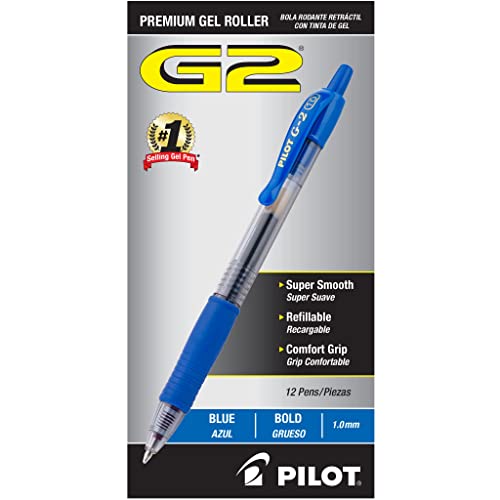
Every paper garden needs clear names, and clear names need a pen that behaves. The Pilot G2 is the grown-up pen in this set-up, the one used for row labels, pouch tags, and the headings in the play notebook. Gel ink lays down a smooth, even line, so small writing on a narrow label stays readable instead of turning into a smudge. That matters when a label has to fit beside a cluster of tiny two-lipped blooms and still say something like Willow Bend Row in full.
The pen earns its place in the quiet details. Headings written with it look tidy enough that children enjoy copying the letter shapes into their own notebook entries. When a grown-up writes the bloom name at the top of a page, a younger player can trace over the strokes or match them with stickers below. The gel line dries into a firm mark on plain paper labels, which helps when labels get handled and re-read all afternoon.
Keep one pen with the label paper and one with the notebook, so the writing tools stay where the writing happens. The G2 suits the adult side of the play: labels, headings, lists of shapes to draw next, and the small notes that keep rows in order. Children can use pencils and crayons for the blooms themselves while the pen keeps the garden records neat.
Specs
- Type: Gel pens
- Use: Notes and labels
- Ink: Gel
Safari Ltd. Wild Toob

A garden, even a paper one, feels more alive with visitors. The Wild Toob brings a set of small animal figures into the pretend scene, and they change the play from arranging shapes into telling stories. A figure can pause at the end of a drawn path, visit one named row, then move along to the next cluster while a child narrates the journey in a play notebook entry.
The figures work well on a woodland mat because they give scale to the drawing. A paper bloom drawn beside a standing figure suddenly has a size in the story, and rows become places: the tall row near the oak, the low cluster by the stream. Children can line the visitors up for a garden tour, count how many animals stopped at each row, and record the tour in the log as a list of names and places.
Because the blooms are flat paper, the figures carry all the movement in the game, and that is a strength. Nothing about the scene depends on real plants or on the weather outside. The figures can be wiped clean after play, sorted back into their tube, and brought out again for the next garden. They also give quieter children an easy way in: moving a visitor along a path needs no drawing skill at all, yet it shapes the whole story.
Specs
- Type: Animal figure set
- Use: Pretend play scenes
feela Pocket Notebooks

The play notebook is the memory of the paper garden. The feela set brings three pocket size notebooks, which is a happy number for this game: one for the row log, one for bloom names and sketches, and one for lists of shapes and labels to make next time. Pocket size pages keep entries short and friendly. A child can fill a page with a row name, a tiny drawing of a two-lipped bloom, and the names of the animals that visited, all in a few minutes of quiet writing.
Small pages also suit the rhythm of pretend play. Entries happen in pauses, between rearranging rows and renaming clusters, so a notebook that opens flat on the mat fits better than a big book. The grown-up writes the headings with the gel pen, and children add their own words, letters, and drawings under each heading.
One rule belongs in this section in plain words, because it matters beyond the game. These notebooks are for logs and lists only. They are never for full passwords. The play notebook holds row names, visitor lists, and drawing plans, and that is the whole of its job. Teaching that boundary early, as part of the fun, is a quiet bonus of the set-up: notebooks are for notes you would happily read aloud.
Specs
- Pack size: 3 notebooks
- Format: Pocket size
- Use: Logs and lists
- Note: Never for full passwords
Vantasii Canvas Zipper Pouches
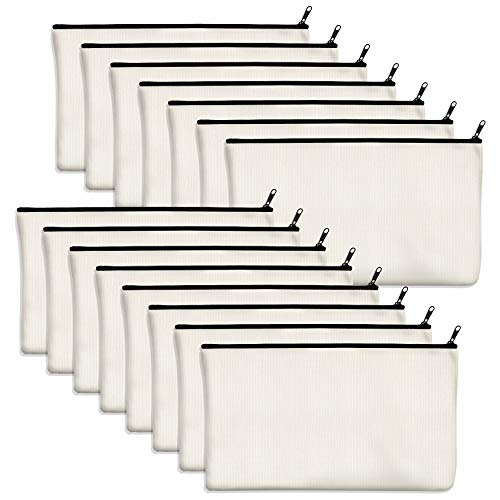
Tidy-up is where many pretend games fall apart, and pouches quietly solve it. This Vantasii set brings fifteen canvas pouches with zip closures, enough to give every part of the paper garden its own home. One pouch holds the drawn blooms for a single row. Another holds paper leaves. A third keeps sticker sheets flat, a fourth keeps label paper and pens together, and the notebook rides in its own pouch so the garden records stay with the garden.
Sorting is part of the play, not a chore after it. Children enjoy deciding which pouch a new bloom belongs in, and the zip gives a small, satisfying finish to each decision. Canvas feels sturdy in the hand and folds flat when empty, so the whole kit packs into a drawer or a tote without bulk. Because there are fifteen, a family can also set aside pouches for spare paper and torn shapes waiting to be redrawn.
One limit needs plain words. These pouches are for dry storage only. Canvas is not waterproof, and the paper garden would suffer in damp conditions anyway. Keep the pouches indoors, away from sinks, wet shoes, and rainy-day outings. Treated as dry indoor storage, they keep the paper pieces crisp, sorted, and ready for the next round of arranging.
Specs
- Pack size: 15 pouches
- Material: Canvas
- Closure: Zipper
- Water resistance: Not waterproof
Fashion Angels Alphabet Sticker Book

Naming is the heart of this game, and the sticker book turns naming into letter play. The Fashion Angels Alphabet Sticker Book gives children a supply of letters for labelling rows, spelling bloom names, and building small words along the drawn paths. A row called Fern Hollow or Sunny Row feels official once its name stands in stickers at the end of the path.
The book suits mixed ages well. Younger children can hunt for a single letter, the first letter of their name or of a bloom name the grown-up calls out. Older children can spell whole words, copy the notebook headings, or invent new names for clusters that have been rearranged. Letter stickers also forgive wobbly handwriting: a child who cannot yet write a word can still build it, letter by letter, and read it back with pride.
Stickers pair nicely with the label habit: the grown-up writes the tidy pen label, and the child adds a sticker version nearby, so each row ends up with two names that match. Sheets kept in a canvas pouch stay flat and clean between games.
The sticker book is not decoration. It is the naming tool of the garden, and naming is what turns a scatter of paper blooms into a place with rows, paths, and stories.
Specs
- Type: Sticker book
- Use: Letters and word play
FAQ
What age suits this paper garden play?
The game bends easily across early childhood. Younger children enjoy moving figures, matching letters, and naming rows with help, while older children take over the notebook, invent longer stories, and spell full names in stickers. Grown-ups adjust their share of the drawing and cutting to suit each child.
Who does the cutting for the paper blooms?
A grown-up does any cutting that needs sharp tools. Children draw the bloom outlines and colour them in, and a grown-up turns the sheets into separate shapes. For little hands that want to join in, shapes can be torn gently along drawn lines instead, which keeps the making safe.
Can the pouches take the garden outside on a damp day?
No. The canvas pouches are for dry storage only and are not waterproof, and the paper blooms, labels, and notebook would all suffer in damp air or rain. The garden is an indoor game, played on the mat at home.
What should go in the play notebook?
Row names, visitor lists, small sketches, and lists of shapes to draw next time. Headings come from the grown-up pen, and children fill the pages under them. The notebook is for logs and lists only, and it is never for full passwords.
Final verdict
This paper nemesia garden asks very little and gives back a lot: an afternoon of drawing, naming, sorting, and storytelling on a woodland mat, with no real plants to care for and no mess a few pouches cannot solve. The Pilot G2 keeps labels and headings clear. The Wild Toob figures turn rows into places worth visiting. The feela notebooks hold the garden records, firmly within their logs-and-lists role. The Vantasii pouches keep every paper piece sorted and dry. The sticker book makes naming a game in itself. For families who like calm play that folds away neatly, this set earns its place in the drawer.
Product and ASIN Reference
| Product | ASIN |
|---|---|
| Pilot G2 Pens | B001AQPQBQ |
| Safari Ltd. Wild Toob | B000BNEOS0 |
| feela Pocket Notebooks | B0BG4MFCZC |
| Vantasii Canvas Zipper Pouches | B08CMQ6QG4 |
| Fashion Angels Alphabet Sticker Book | B09N7XCNTN |