We independently review everything we recommend. When you buy through our links, we may earn a commission. As an Amazon Associate we earn from qualifying purchases.
5 Best Pickleball Ball Machines for Practice (November 2026)
Compare five pickleball ball machines for practice, with ball capacity, speed, spin, feed rate and portability to help you drill alone and improve fast.
Compare five pickleball ball machines for practice, with ball capacity, speed, spin, feed rate and portability to help you drill alone and improve fast.
A ball machine turns solo court time into real practice. Instead of waiting for a partner, you feed yourself a steady stream of balls at the pace, height and spin you choose, then repeat the same shot until it feels automatic. The five machines below cover every budget and skill level, from a pocket-friendly launcher for casual rallies to a full-featured trainer with app drills and an invertible hopper.
We compared hopper size, ball speed, spin control, feed timing and weight, and checked each model against its Amazon listing. Every machine here fires pickleballs, not tennis balls, and every one works with the standard outdoor ball size. Read the quick picks to narrow the field, then study the details before you pick the machine that matches how you train.
Quick Picks
As an Amazon Associate we earn from qualifying purchases
Product
Best for
Key Spec
Titan ONE
Clubs and coaches
85-ball hopper, 12 app drills
Titan ACE
Solo drills with big capacity
110-ball invertible hopper
Pickleball Tutor Plus
Simple spin control
Single topspin and backspin dial
PUSUN PP-Smart Pro
Programmable landing spots
20 landing points, app and remote
JP-02
Portable practice on a budget
22 lb, folds to 14 x 12 x 19 in
How to Choose
Ball Capacity and Feed Rate
Capacity decides how long you can drill before you stop to collect balls. A small hopper holds 19 to 40 balls, which suits short sessions and warm-ups, while a large hopper holds 80 to 125 balls and keeps a rally going for a full practice block. Feed rate matters just as much: a range of one to ten seconds between balls lets you slow the pace for footwork work or speed it up for fast reactions. Look for a machine that lets you change the interval on the fly, so one session can mix slow placement work with rapid-fire exchanges without a trip back to the machine.
Ball Speed and Spin
Speed range sets the ceiling for how hard you can be pushed. Machines in this guide throw from about 10 mph to 75 mph, which covers gentle feeds for beginners and fast drives for advanced players. Spin control is the other half of the equation: topspin makes balls dip and kick forward, backspin makes them float and skid, and a machine that offers both lets you practice against the shots you actually face in games. Check whether spin is a dial you turn by hand or a setting inside an app, because a physical dial is easier to adjust between rallies when your hands are sweaty.
Oscillation and Placement
Oscillation moves the ball across the court so you practice footwork, not just strokes. A machine with random horizontal oscillation sends balls to different spots, while a machine with two-line mode alternates between two fixed positions for grooving a forehand and a backhand in turn. Some machines add electronic elevation, which varies the arc and depth of each feed. If you mostly drill one shot from one spot, simple oscillation is enough. If you want to simulate a real rally, look for random placement plus elevation control, and check whether the machine remembers your drill settings or needs a fresh setup every session.
Weight, Power and Portability
Weight decides whether the machine travels with you or stays in the garage. The lightest machine here weighs 22 pounds and folds small enough for a car trunk, while the heaviest weighs close to 50 pounds and suits a club that stores it courtside. Power matters too: built-in batteries give two to six hours of drilling, and some machines run on a wall outlet when the battery runs out. Check what comes in the box, because some listings sell the machine only, with the battery and charger as separate purchases, while others include a remote, a trolley and a charger in the listed set.
The 5 Best Options
Titan ONE Pickleball Machine
Top Pick
Titan ONE Pickleball Machine
Best for: Clubs and coaches who want a full drill library and a large hopper.
The Titan ONE is the flagship of this group, built for clubs and players who want a full drill library in one machine. Its 85-ball hopper feeds a wide range of shots, and the Titan app holds 12 preset drills plus custom drills you design yourself. Ball speed runs from 10 to 70 mph, with a top end near 75 mph, and the feed interval stretches from one to ten seconds. Internal oscillation moves the ball across the court, and the machine tilts to a 60-degree arc for lobs and high feeds. At 48 pounds empty, it suits a fixed courtside home more than a daily car trip.
Watch out for: The listing sells the machine only, so the battery, charger and remote are separate purchases, and the 48-pound weight makes it a heavy carry.
Titan ACE Pickleball Machine
Runner-Up
Titan ACE Pickleball Machine
Best for: Solo players who want the ONE’s drills in a lighter, travel-friendly machine.
The Titan ACE shares the ONE’s drill brain but packs it into a lighter, more portable body. Its 110-ball hopper flips upside down for storage and travel, and the same Titan app offers 12 preset drills plus custom drills. Ball speed runs from 10 to 70 mph, with a top end near 75 mph, and the feed interval stretches from one to ten seconds. Internal oscillation and a 60-degree arc cover lobs, drives and cross-court placement. At 39 pounds empty, the ACE is nine pounds lighter than the ONE, which makes it the better pick for a player who drives the machine to different courts.
Watch out for: The remote is sold separately, and the battery is a separate purchase, so check the listing carefully before you order.
Pickleball Tutor Plus
Pickleball Tutor Plus
Best for: Players who want simple spin control, a long battery life and a machine made in the USA.
The Pickleball Tutor Plus is the simplest machine here to run, which is exactly its appeal. One dial controls both topspin and backspin, so you twist it to change the shape of each feed without touching an app. Ball speed runs from 10 to 65 mph, the 110-ball hopper holds enough balls for a long session, and the feed interval stretches from about one to ten seconds. A random oscillator moves the ball across the court, and the built-in battery runs for three to four hours. Backed by a three-year warranty, it suits a player who wants reliable drills with the fewest controls to learn.
Watch out for: The base listing has no remote, and the two-line mode and electronic elevation are factory options ordered at purchase, not included.
PUSUN PP-Smart Pro Pickleball Machine
The PUSUN PP-Smart Pro is the most programmable machine in this group. It offers 20 landing points you can set from the app, plus 12 preset modes, so you can build a drill that moves the ball where you plan it. Ball speed runs from 12 to 70 mph, the hopper holds 80-plus balls, and the feed interval stretches from 1.6 to 8 seconds. An external lithium battery runs for four to six hours, and the machine comes with a trolley, a remote and a power adapter in the box. At 32.6 pounds, it is light enough to roll to the court on its trolley.
Specs
Model: PP-smart
Brand: PUSUN
Material: ABS Plastic, Aviation-grade Aluminum, Reinforced Metal
Color: Black
Item weight: 32.6 lb
Size: 27.2 x 12.6 x 17.1 in
Warranty: Main Unit 1-year
Ball capacity: 80+ balls
Ball speed: 12-70 mph
Feed interval: 1.6-8 seconds
Max serving distance: 65 ft
Elevation: 5-45 degrees
Battery: 25.6V/6AH external lithium, 4-6 hours
Included components: Aluminum Trolley, Lithium Battery, Pickleball Machine, Power Adapter, Remote Control
Manufacturer: Pusun
Best for: Players who want programmable landing points and a full kit with trolley and remote.
Watch out for: The Amazon crawl for this model is 292 days old and showed no featured offers, so confirm current stock before you order.
JP-02 Pickleball Machine
JP-02 Pickleball Machine
Best for: Players who want the lightest machine for travel and short practice sessions.
Players who want the lightest machine for travel and short practice sessions.
Watch out for
The listing brand field reads Generic, so confirm the Jbotsports model name on the listing before you order, and the extension panels are a separate purchase.
The JP-02 is the lightest and most portable machine in this group, and the most affordable of the five. It holds 40 balls, with extension panels that raise the hopper to 80, and it throws at up to 50 km/h with a feed interval of two to eight seconds. Topspin and backspin come as standard, along with external oscillation and eight preset drills you control from the app or the included remote. A 108 Wh removable battery runs for two to four hours, and the machine also works from a wall outlet. At 22 pounds, it folds to 14 x 12 x 19 inches for a car trunk.
Watch out for: The listing brand field reads Generic, so confirm the Jbotsports model name on the listing before you order, and the extension panels are a separate purchase.
Which One Fits Your Situation
You run drills for a club or a group
Pick the Titan ONE. Its 85-ball hopper and 12 preset drills keep a group session moving, and the app lets a coach set up custom drills for different skill levels. The 48-pound weight is less of a problem when the machine lives courtside, and the large hopper means fewer stops to collect balls between drills.
You practice alone and want the fewest controls
Pick the Pickleball Tutor Plus. One dial handles spin, the feed and speed controls are simple knobs, and the built-in battery runs for three to four hours without extra parts to charge. The 110-ball hopper holds enough balls for a long solo session, and the three-year warranty backs a machine built for daily use.
You want programmable drills on a mid-range budget
Pick the PUSUN PP-Smart Pro. Its 20 landing points and 12 preset modes let you script a drill that moves the ball exactly where you want it, and the app plus remote give you two ways to run it. The trolley, battery and charger all come in the box, so you can roll it to the court and play without extra purchases.
You need a light machine for travel
Pick the JP-02. At 22 pounds it is the lightest machine here, it folds to 14 x 12 x 19 inches, and the removable battery means you can charge a spare while you play. The 40-ball hopper suits short sessions, and the extension panels raise it to 80 balls when you want a longer drill block.
Common Mistakes
Buying a tennis ball machine by mistake: check the listing says pickleball, because a tennis machine fires a larger, heavier ball and cannot feed pickleballs.
Ignoring what the box includes: some listings sell the machine only, so the battery, charger and remote may be separate purchases.
Choosing a hopper that is too small: a 19-ball hopper means constant stops to collect balls, so match the hopper to the length of your sessions.
Forgetting the ball size: these machines work with the standard outdoor pickleball, so check your balls fit the hopper and feed before your first session.
Skipping the weight check: a 48-pound machine is a poor pick if you carry it to different courts every week.
Frequently Asked Questions
Can a pickleball ball machine also fire tennis balls?
No. Pickleball machines are built around the size and weight of a pickleball, with a hopper, feed wheels and spin controls sized for that ball. A tennis ball is larger and heavier, so it will not feed through a pickleball machine. If you play both sports, buy a machine made for each sport rather than hoping one machine covers both.
How many balls should the hopper hold?
It depends on how long your sessions run. A 40-ball hopper suits warm-ups and short drills, while an 80 to 125-ball hopper keeps a full practice block going without stops to collect balls. If you drill alone, a larger hopper saves the most time, because every stop to gather balls breaks your rhythm and cools your muscles.
Do I need a remote control?
Not always. A remote lets you pause the feed or change the drill from the far side of the court, which is handy during long sessions. Some machines include one, some sell it separately, and some use an app on your phone instead. If you mostly drill alone from the baseline, a remote is worth having; if you stay near the machine, the onboard controls are enough.
What battery life should I expect?
Machines here run for two to six hours on a charge, which covers one or two long practice sessions. Built-in batteries are simpler to manage, while removable batteries let you carry a spare for extra court time. Check whether the listing includes the battery and charger, because some machines sell them separately, and confirm the machine can also run from a wall outlet when the battery runs out.
A
admin
We compare specs, materials and verified owner reviews before a product earns a spot. Rankings are never paid.
Affiliate disclosure. As an Amazon Associate we earn from qualifying purchases at no extra cost to you. Prices accurate as of the date shown.


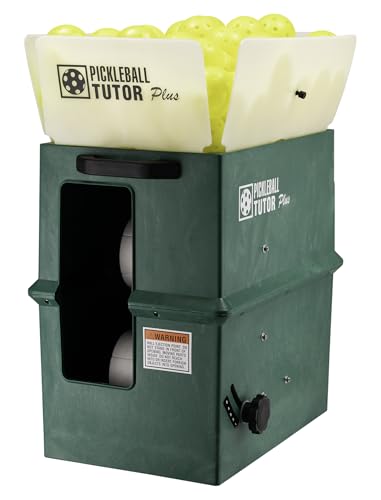
 JP-02 Pickleball Machine