Key takeaways
- Learn how to choose an elliptical machine for home cardio, from stride length and flywheel weight to resistance, incline, and the space you need.
An elliptical machine gives you a full-body cardio workout without the joint impact of running. You can train at any hour, in any weather, and the smooth gliding motion keeps knees and ankles comfortable through long sessions. Stride length, flywheel weight, resistance type, incline, and frame strength all shape how a machine feels after ten minutes of use, and a poor match often ends up as an expensive clothes rack. This guide walks through the numbers that matter, the features worth paying for, and five machines that cover different budgets, room sizes, and training styles.
As an Amazon Associate, we earn from qualifying purchases.
Quick answer
Pick an elliptical with a stride of at least 18 inches if you are of average height, a flywheel of 20 pounds or more for smooth motion, and magnetic resistance with at least 16 levels. Make sure the machine supports your body weight with room to spare, fits your ceiling height, and offers an incline if you want hill-style training. The Sole E35 below is the most complete all-round choice.
How to Choose an Elliptical Machine for Home Cardio
Begin with stride length, because it decides whether the motion feels natural. A stride under 16 inches suits shorter users and compact rooms, while most adults need 18 to 20 inches for a comfortable gait. Taller users should look for 20 inches or more, since a short stride forces choppy steps and knee strain. Some machines adjust stride length, which helps when two people of different heights share one.
Flywheel weight comes next. A heavier flywheel keeps the pedals moving smoothly through the dead spot at the top of each stroke, so the ride feels fluid rather than jerky. Machines in the 16 to 20 pound range feel adequate for light use, while 25 pounds and above give the steady, gym-like motion that heavier users and daily trainers notice. Front-drive machines place the flywheel at the front and often feel more like a natural running stride, while rear-drive machines sit flatter and need less floor space. Center-drive designs split the difference and feel stable, though they tend to cost more.
Resistance type shapes both feel and noise. Magnetic resistance is quiet, smooth, and needs little upkeep, and it is the standard on most good home machines. Look for at least 16 levels so you can progress gradually from easy warm-ups to hard intervals. Air resistance grows harder the faster you pedal but runs louder, while friction resistance costs less and wears faster, suiting only light, occasional use.
Incline adds variety without adding impact. A power incline lifts the front of the machine, changes the angle of your stride, and works different leg muscles, turning a flat session into hill training. Manual incline costs less but means stepping off to adjust it. If you vary workouts often, power incline is worth the extra money.
Frame strength and user capacity tell you how solid a machine feels under load. A capacity of 300 pounds covers most adults, while 350 to 400 pounds signals a heavier frame that wobbles less during hard efforts. Heavier frames stay planted, while very light machines can rock on uneven floors. Measure your room before you buy, including ceiling height, because you rise several inches above the pedals at the top of each stride. Leave a foot of clearance on each side and two feet behind the machine.
Console features matter less than the mechanics, but a few details help. A clear display showing time, distance, and resistance level keeps you on track. Bluetooth syncs workouts to a phone app, and a tablet holder makes long sessions pass faster. Built-in programs add structure, and a lifetime frame warranty signals a maker that trusts its build.
Finally, think about assembly and placement. Many machines arrive mostly assembled, with the rest taking under an hour. If your workout room is upstairs, check the machine weight and whether it fits through doorways in pieces. Place it near a power outlet and away from damp corners.
Our Picks
1. Sole E35 Elliptical Machine

The Sole E35 is the most complete machine in this guide, combining a heavy flywheel, a long stride, and a power incline. Its 25 pound flywheel delivers the smooth, gym-like motion, and the 20 inch stride suits most adults without forcing short, choppy steps. Twenty resistance levels and a 20 level power incline give you plenty of room to progress from gentle warm-ups to hard hill sessions. The 10.1 inch display is easy to read mid-workout, and Bluetooth speakers let you listen without headphones. A 350 pound user capacity and a lifetime frame warranty signal a machine built for years of daily use.
Specs: Flywheel: 25 lb; Stride: 20 inches; Resistance: 20 levels, magnetic; Incline: 20 levels, power; Display: 10.1 inch screen; User capacity: 350 lb; Warranty: lifetime frame; ASIN: B0090X08JG
2. Schwinn 470 Elliptical Machine
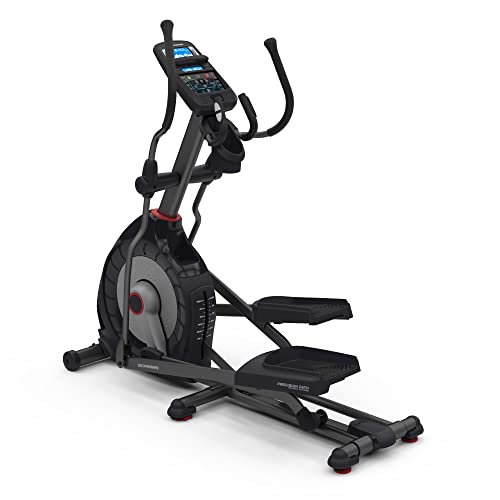
The Schwinn 470 packs the most workout variety into this group, with 29 built-in programs. Its 20 inch stride and 25 resistance levels cover everyone from casual walkers to serious interval trainers, and the 10 degree power incline adds hill work without extra impact. Dual screens show your workout data, and Bluetooth connectivity syncs sessions to popular fitness apps. The 300 pound user capacity suits most households, and the machine folds into a compact footprint. If you get bored easily and want a machine that plans the workout for you, this is the one to pick.
Specs: Stride: 20 inches; Resistance: 25 levels, magnetic; Programs: 29 built-in; Incline: 10 degree power; User capacity: 300 lb; Connectivity: Bluetooth; ASIN: B01MY88ZZ0
3. Niceday CT11 Elliptical Machine
The Niceday CT11 is the best value pick here, offering a solid build and a generous 400 pound capacity at a friendly size. Its 16 pound flywheel and 16 inch stride suit shorter users and smaller rooms, while 16 magnetic resistance levels give enough range for steady cardio and gentle progression. The machine arrives 90 percent pre-assembled, so you can be pedaling within half an hour of opening the box. A quiet belt drive keeps noise low for apartments and shared living spaces. If you want a dependable machine without paying for a large screen or a long list of programs, the CT11 covers the essentials well.
Specs: Flywheel: 16 lb; Stride: 16 inches; Resistance: 16 levels, magnetic; User capacity: 400 lb; Assembly: 90 percent pre-assembled; Drive: quiet belt; ASIN: B08V8M5ZGS
4. NordicTrack Commercial 14.9 Elliptical Machine

The NordicTrack Commercial 14.9 is the premium pick in this guide, built around a large touchscreen and a heavy flywheel. Its 32 pound flywheel is the heaviest here, giving an exceptionally smooth pedal stroke that feels close to a commercial gym machine. Twenty-six resistance levels and a 0 to 20 percent power incline open up serious hill training, and the 14 inch touchscreen brings guided workouts and scenic routes into your home. The 350 pound capacity and sturdy frame handle hard sessions without wobble. This machine suits anyone who wants an immersive, trainer-led experience and is willing to pay for it.
Specs: Flywheel: 32 lb; Resistance: 26 levels; Incline: 0 to 20 percent power; Display: 14 inch touchscreen; User capacity: 350 lb; ASIN: B07HQ164VM
5. Nautilus E616 Elliptical Machine

The Nautilus E616 is the data lover’s pick, with strong tracking tools and a smooth, quiet ride. Its 25 resistance levels and 20 inch stride suit a wide range of users, and the 300 pound capacity covers most households. Bluetooth connectivity syncs with the Explore the World app, letting you pedal through virtual routes while the machine adjusts resistance to match the terrain. The machine weighs 173.3 pounds, which keeps it planted during hard efforts, and the console layout is simple enough to use without reading a manual. If you like watching your numbers improve week by week, the E616 gives you the tools to do it.
Specs: Resistance: 25 levels; Stride: 20 inches; User capacity: 300 lb; Machine weight: 173.3 lb; Connectivity: Bluetooth, Explore the World app; ASIN: B078HHTS9L
Who Should Skip These Elliptical Machines
An elliptical is not the right tool for everyone. If you love outdoor running and only train inside during bad weather, a treadmill or a simple jump rope may serve you better for the same money. People with very low ceilings should measure carefully, since you rise well above the pedals at the top of each stride, and a machine in a cramped room quickly becomes a hazard. Those with knee or hip conditions should check with a clinician before buying, since even low-impact motion can aggravate some injuries. If you live in a small apartment and need equipment that folds flat under a bed, an elliptical is too bulky; a compact bike or a set of resistance bands fits better. Finally, if you know you will use the machine only a few times a month, a gym membership or a cheaper manual machine makes more financial sense than a premium model.
Frequently Asked Questions
How much space do I need for an elliptical machine?
Plan for a footprint of about 6 feet long and 3 feet wide, plus a foot of clearance on each side and two feet behind the machine. Measure your ceiling height too, since you rise several inches above the pedals during each stride. A room with an 8 foot ceiling suits most machines.
Is a heavier flywheel always better on an elliptical?
A heavier flywheel usually means a smoother pedal stroke, because the extra momentum carries you through the dead spot at the top of each stride. Machines with flywheels of 20 pounds or more feel noticeably steadier than lighter ones. Very light machines can feel jerky during hard efforts, though they suit gentle use fine.
How often should I use an elliptical for home cardio?
Three to five sessions a week, lasting 20 to 45 minutes each, covers most fitness goals. Mix steady sessions with interval days, where you alternate one minute of hard effort with two minutes of easy pedaling. Rest days matter too, since your muscles adapt during recovery rather than during the workout itself.
Do I need a power incline on an elliptical machine?
Power incline is useful but not essential. It changes the angle of your stride and works different leg muscles, which adds variety to training. If you enjoy hill-style workouts or want to target your glutes more, it is worth having. If you mostly do steady flat sessions, you can save money by skipping it.
Final Verdict
The right elliptical depends on your height, your room, and how hard you plan to train. The Sole E35 is the best all-round choice, with a heavy flywheel, a long stride, and a power incline. The Schwinn 470 suits anyone who wants program variety, while the Niceday CT11 is the sensible value pick for smaller rooms and lighter budgets. The NordicTrack Commercial 14.9 is the premium option for immersive, trainer-led sessions, and the Nautilus E616 is the pick for data lovers who track every workout. Measure your space, pick a stride that fits your height, and choose the heaviest flywheel your budget allows.