Key takeaways
- Turn the living room into a pretend campsite with animal figures, alphabet stickers, ranger notebooks, gel pens and canvas pouches for tidy storage.
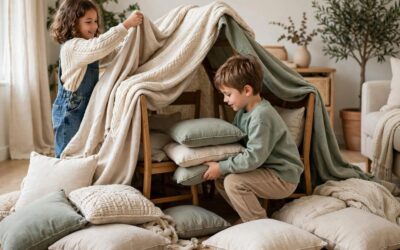
An indoor camp out turns a plain afternoon into a small expedition. A play tent goes up in the corner of the living room, cushions become a pretend campfire, and suddenly the carpet is a forest clearing with wildlife to spot and trails to map. The tent itself is the one your family already owns. This guide covers the five support picks that round out the scene: the animals, the signage, the ranger log, the pens, and the tidy storage that keeps small pieces from wandering into the sofa cushions by bedtime.
Each pick below has a single clear job. The animal figures give young campers something to look for, the sticker book dresses up a handmade camp sign, the notebooks hold a pretend ranger log, the pouches keep loose pieces in one place, and the pens stay in grown-up hands for signs and labels. Plain safety notes run through the guide as well: a grown-up handles setup, the tent stands well clear of heat and flame, and play stays play, with nobody sleeping in the tent overnight.
As an Amazon Associate, we earn from qualifying purchases.
How to choose
Begin with the tent you already have. A grown-up puts it up and takes it down every time, following the tent maker’s guidance on poles, clips, and folding. Pick a flat stretch of floor with room to walk around the tent, and keep it well away from heaters, radiators, candles, and any real flame. The campfire in this camp out is pretend only, built from paper, cushions, or soft toys, and it never gets warm. Nothing hot, lit, or plugged in goes inside the tent: no lamps, no chargers, no kettles, nothing with a cord or a glow that heats up.
Leave the tent door and any vents fully unblocked, and check that a child inside can get out at once, without help, every time. Children play with a grown-up nearby in the same room, and the play tent is a daytime den only. It is not a bed, and nobody sleeps in it overnight.
Then match the support picks to the way your child plays. A child who loves spotting and naming will get the most from the animal figures. A child who enjoys making things will head for the sticker book and the camp sign. The notebooks suit a child who likes a log to fill in, and the pouches matter for every family, because small pieces travel. At the end of play, count the small pieces back in together, fold the tent dry, and store it the way its maker describes. Retire any piece with torn fabric or a bent pole rather than mending it for one more round of play.
Safari Ltd. Wild Toob

A camp out needs wildlife, and this tube of small wild animal figures supplies it. The figures become the creatures spotted on the pretend trail: one might peer from behind a cushion, another might wait by the pretend campfire, and a third might hide near the tent door for a young ranger to find. Because the figures are small, a whole clearing of animals fits in a pouch or a pocket, and the scene can change completely from one afternoon to the next.
Set the figures out before play begins and let children place them where the story needs them. A figure on a book becomes an animal on a rock; a row along the skirting board becomes a herd on the move. The figures are play pieces only. They are not food, not teething toys, and not something to carry around in a mouth, so they suit children who are past the stage of mouthing small objects, with a grown-up nearby throughout. When the camp out ends, the figures are part of the count back in: every animal returns to the tube or a pouch, which keeps the set whole and keeps small pieces off the floor, where bare feet and younger siblings might find them.
Specs
- Contents: One tube of small wild animal figures
- Role: Pretend wildlife for the indoor camp out
- Use: Play only
Fashion Angels Alphabet Sticker Book

Every good campsite has a sign, and this alphabet sticker book is how the sign gets its letters. A grown-up or an older child cuts a sheet of card, and the stickers spell out the camp name across the top: Camp Willow, Camp Kitchen Table, or whatever the crew decides. The same book dresses a pretend trail map, with letters marking the tent, the campfire, and the animal lookout spot.
Working with letter stickers gives the camp out a calm, seated stretch of play between the wilder rounds of exploring. Children can hunt for the letters they need, arrange them in order, and press them down one by one. Keep the book and the finished sign dry and flat so the stickers stay put, and keep loose sticker sheets in a pouch so they do not drift around the room. The book is a paper craft supply, so it lives with the art materials rather than in the tent itself. By the end of the afternoon, the sign can hang on the tent or on the wall above it, and the trail map can go into the ranger log as a record of the day’s expedition.
Specs
- Contents: One alphabet sticker book
- Role: Letters for the camp sign and the pretend trail map
- Use: Paper craft for dressing up signs and maps
feela Pocket Notebooks

A ranger keeps a log, and this 3-pack of pocket notebooks gives the camp out a proper one. One notebook can hold the pretend ranger log: which animals were spotted, where the tent was pitched, and what the weather did inside the living room. A second can hold the grown-up’s supply list for the next camp out, and the third can live in the kit as a spare for maps, tallies, and drawings of the trail.
The notebooks are small enough for a pocket or a pouch, so the log can travel around the room as the expedition moves. Notes stay simple: lists, tallies, sketches, and short lines about the day. These notebooks are for play notes and household lists only. They are never a place for full passwords or anything private, which belongs in proper secure storage instead. Keep the notebooks dry, since paper and damp floors do not mix, and store them with the pens in a pouch when play ends. Over a run of camp outs, the filled pages become a small archive of pretend trips, and children often enjoy reading back earlier entries before the tent goes up again.
Specs
- Pack: 3 pocket notebooks
- Role: Pretend ranger log and grown-up supply list
- Use: Play notes, lists, and tallies only
Vantasii Canvas Zipper Pouches
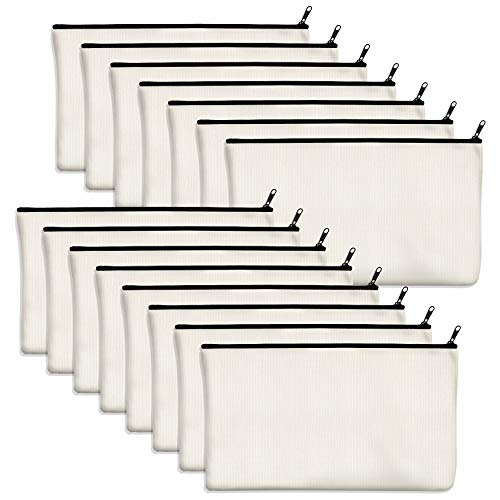
Fifteen canvas pouches might sound like a lot until the first camp out ends and the small pieces come out. One pouch holds the animal figures, one holds sticker sheets, one holds the notebooks and pens, and the rest wait for the bits every play session produces: paper maps, fabric leaves, pretend food, and the small finds children collect along the way. Each pouch zips shut, so a kit can be packed, carried, and put away as a set of tidy bundles rather than a drift of loose items.
The pouches are the backbone of the count back in. Give each kind of piece its own pouch, and the end of play becomes a simple round of filling and zipping that children can help with. Canvas is a dry storage material, and these pouches are for dry items only, kept away from drinks and damp floors. They offer no protection against water and should never be relied on to keep anything dry. If a pouch gets wet, empty it and let it dry fully before it goes back in the box. Label each pouch with its contents, and the next camp out can begin with the tent going up instead of a search under the sofa.
Specs
- Pack: 15 canvas pouches
- Closure: Zipper
- Use: Dry storage for small play pieces
Pilot G2 Pens

The Pilot G2 gel pens are the grown-up tools of the kit. They write the camp sign’s outline before the stickers go on, label each pouch with its contents, add dates to the trail map, and keep the grown-up’s supply list legible. Gel ink writes smoothly on card and paper, which makes the pens handy for the sign work and paperwork that frame the play rather than the play itself.
Keep the pens with the notebooks in their own pouch, caps on, out of the tent and out of younger children’s reach. Pen caps are small parts, and ink belongs on paper, not on tent fabric, cushions, or skin. A grown-up does the writing for younger campers, while older children might add their own name to the log under a watchful eye. When play ends, the pens are part of the count back in: caps pressed back on, pens into the pouch, pouch into the kit box. A small thing, but a missing pen has a way of turning up under a cushion weeks later, so the habit is worth building from the first camp out.
Specs
- Type: Gel pens
- Role: Camp sign, pouch labels, and lists
- Handled by: Grown-ups
FAQ
Who puts the play tent up and takes it down?
A grown-up, every time. Follow the tent maker’s guidance for the poles and the fold, and check the tent over as it goes up. Torn fabric or a bent pole means the tent is retired, not mended for one more round of play.
Where is a good spot for an indoor camp out?
Choose a flat stretch of floor away from heaters, radiators, candles, and any real flame. The campfire is pretend only, made from paper or cushions. Nothing hot, lit, or plugged in goes inside the tent, and the door and vents stay unblocked so a child can get out at once.
Can children sleep in the play tent overnight?
No. A play tent is a daytime den for games and stories, with a grown-up nearby in the same room. When bedtime comes, the tent comes down or stands empty, and children sleep in their own beds as usual.
How do we keep track of all the small pieces?
Count them back in together at the end of play. Animal figures, sticker sheets, notebooks, and pens each have a pouch, so filling the pouches becomes the tidy-up. Store the pouches with the folded, dry tent, following the tent maker’s guidance on folding.
Final verdict
An indoor camp out runs on imagination, and these five picks simply keep the scene supplied and tidy. The Safari Ltd. Wild Toob provides the wildlife, the Fashion Angels Alphabet Sticker Book gives the camp its sign and trail map, and the feela notebooks turn the day into a ranger log worth keeping. The Vantasii pouches hold the whole kit together between sessions, and the Pilot G2 pens stay in grown-up hands for the writing that frames the play. Add the tent your family already owns, a flat patch of floor well away from heat, and a grown-up nearby, and the living room becomes a campsite that packs away before dinner.