Key takeaways
- A cardboard box play day kit for kids, with grown-up prep ahead of play, clear building rules, and five picks for pretend scenes, signs, logs, and storage.
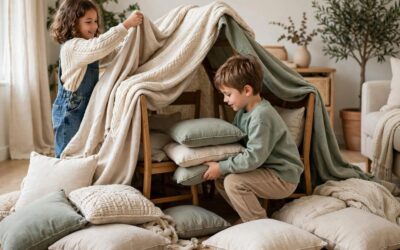
A plain cardboard box can become a fort, a shop counter, a puppet stage, or a quiet reading nook, and a play day built around big boxes gives children room to plan, build, and invent together. The kit below covers the support pieces that make the day run smoothly. The safety shape of the day is set before anyone plays: any cutting of doors or windows is done by grown-ups only, ahead of play, boxes are never climbed on, and no child plays inside a stacked or closed box. Building happens on a soft, clear floor, and a grown-up stays with the play the whole time.
The five picks cover the scenes built inside the boxes, the signs taped to the walls, the plans drawn before building, and the tidy-up at the end. Small animal figures stock the pretend scenes, a sticker book makes labels and shop signs, pocket notebooks hold plans and play logs, zip pouches gather the loose pieces, and gel pens handle grown-up labeling. Throughout the day, nothing goes in mouths, tape ends and small loose bits stay with grown-ups, every piece is counted back in at the end, and hands are washed after play. Torn or damp boxes are retired rather than patched up for another round, and maker age guidance is followed for every piece in the kit.
As an Amazon Associate, we earn from qualifying purchases.
How to choose
Begin with the boxes themselves. Pick clean, dry boxes with no staples left in the flaps, and let grown-ups do every bit of cutting ahead of play, so doors and windows are ready before children arrive. Set the building on a soft, clear floor with room to walk around each box, and agree the ground rules out loud: boxes are never climbed on, nobody plays inside a stacked or closed box, and a grown-up stays with the play the whole time.
Next, think about what happens inside the boxes. Pretend scenes need figures small enough to move through a cut doorway, signs need letters children can place without help, and plans go more smoothly when each builder has a notebook page for a sketch. Keep the small parts rule in view: figures, pen caps, tape ends, and small loose bits stay with grown-ups, and nothing goes in mouths.
Storage matters as much as the building. A zip pouch for each kind of piece keeps the tidy-up quick, and a count back in at the end shows every figure and sticker sheet accounted for before the boxes fold away. The pouches in this kit are not waterproof, so damp pieces are dried before they go in, and any box that ends the day torn or damp is retired. Finish by washing hands after play, and follow maker age guidance when deciding who uses what.
Safari Ltd. Wild Toob

The small animal figures in the Wild Toob give the boxes a cast of residents. Children can line the figures along a cut window, march them through a doorway, or set up a tiny zoo in one box and a farm in the next. Because the scenes change all day, figures that are easy to gather and carry from box to box earn their place in the kit.
The figures are small parts, so they stay with grown-ups between scenes, and a grown-up hands them out and collects them again rather than leaving them loose on the floor. They are pretend play pieces only, and nothing goes in mouths during the scenes. Follow maker age guidance when deciding which children join the figure play, and keep the figures on the soft, clear floor area so none wander underfoot.
At tidy-up time, each figure is counted into its pouch before the boxes are folded. A figure with a crack or a broken edge is set aside and retired, since rough edges do not belong in the next round of play.
Specs:
- Product type: small animal figures for pretend play
- Play style: pretend scenes inside and around the boxes
- Small parts: figures stay with grown-ups between scenes
- Guidance: follow maker age guidance for every player
- Care: counted back in at the end of play, damaged figures retired
Fashion Angels Alphabet Sticker Book

Every good box building needs a sign, and the alphabet stickers in this book let children name their fort, label the shop, or spell out a welcome over the doorway. Letter play fits the day naturally: children hunt for the letters in their own names, sound out short words for the walls, and plan the wording on a notebook page before any sticker is peeled.
The sticker book stays on the grown-up side of the table between uses, since backing sheets and loose sticker scraps count as small loose bits that stay with grown-ups. Children place the stickers, and a grown-up helps with any peeling that proves fiddly, so the building stays the point of the day. Used backing paper goes straight into a pouch or the bin, never onto the play floor.
Stickers also give the day a gentle finish. When the boxes come down, children can peel a name label for their notebook or add one final word to a wall they are proud of, and then the book goes back into storage with the rest of the kit.
Specs:
- Product type: alphabet sticker book
- Play style: letter play, signs, and labels for box buildings
- Supervision: backing sheets and loose scraps stay with grown-ups
- Use: children place stickers, grown-ups help with peeling
- Storage: returned to the kit and counted at tidy-up time
feela Pocket Notebooks 3-pack

Big building days go better with a plan, and these small pocket notebooks give each child a place to sketch a fort, list the rooms, or keep a play log of what got built. A page of drawing before the boxes come out helps children agree on doors, windows, and who builds which wall, and the notebooks double as guest books for the finished fort.
The notebooks are for logs and lists only. They hold sketches, tallies from the count back in, and notes about which box shapes worked well, and they are never a place for writing full passwords; a password manager is the right home for those.
At the end of the day, the notebooks go into a pouch with the pens, ready for the next building day. A fresh page is an open invitation to plan a bigger fort next time, with the same ground rules: grown-ups cut ahead of play, boxes are never climbed on, and building stays on the soft, clear floor.
Specs:
- Product type: pocket notebooks, pack of three
- Use: play logs, lists, sketches, and building plans
- Note: for logs and lists only, never for full passwords; use a password manager instead
- Fit: small size travels easily between boxes and pouches
- Care: kept dry and stored with the kit between play days
Vantasii Canvas Zipper Pouches 15-pack
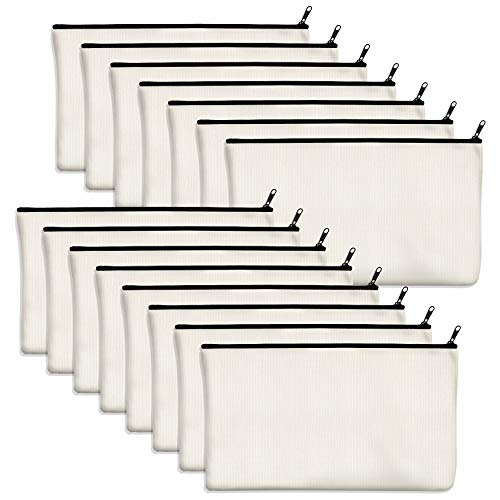
Fifteen pouches is a generous count for a play day: figures in one pouch, sticker sheets in another, notebooks and pens in a third, with spares for tape rolls, name labels, and the small finds children collect while building. Canvas pouches with zippers keep each group of pieces together, so the count back in at the end of the day is a quick, calm routine rather than a search under the sofa.
One fact deserves plain words: these pouches are not waterproof. They are storage for dry pieces in a dry room, and any figure or notebook that got damp during play is dried first and only then put away. Cardboard that ends the day damaged is retired, not stored.
The whole kit lives in a cupboard in its pouches, each one labeled by a grown-up, so the next building day opens with everything counted, sorted, and ready. Small loose bits found during tidy-up go straight to a grown-up and into the right pouch, and hands are washed after play once the final pouch is zipped.
Specs:
- Product type: canvas pouches with zippers, pack of fifteen
- Use: sorting and storing figures, stickers, notebooks, and pens
- Important note: not waterproof; store dry pieces only
- Routine: pieces counted back in at the end of play
- Care: damp pieces dried before storing, damaged pieces retired
Pilot G2 Pens

The pens in this kit belong to the grown-ups. Gel pens write the labels on the storage pouches, mark the count on the tally page, and note which boxes are saved for next time and which are retired.
Pen caps are small parts, so the pens and their caps stay with grown-ups for the whole day, and a pen is handed over and taken back rather than left on the play floor. Children who want to draw signs use their sticker letters and notebook pages, while grown-ups handle any writing that needs a pen. Nothing goes in mouths, and that rule covers pens and caps as much as figures.
When the building comes down, the pens go back into their pouch with the notebooks, counted with the rest of the kit. Keeping pens in one known place means the next play day opens ready to go, with no loose caps hiding in a folded box.
Specs:
- Product type: gel pens
- Use: labels, tallies, and play log notes by grown-ups
- Small parts: pen caps stay with grown-ups at all times
- Fit: smooth writing on pouch labels and notebook pages
- Storage: kept with the notebooks in a zip pouch
FAQ
Who cuts the doors and windows in the boxes?
Grown-ups do every bit of cutting, and they do it ahead of play, before children begin building. Openings are finished and checked for rough edges before a box reaches the play floor, and cutting tools are put away before play begins.
What are the ground rules while children play in the boxes?
Boxes are never climbed on, and no child plays inside a stacked or closed box. Building and playing happen on a soft, clear floor, a grown-up stays with the play the whole time, nothing goes in mouths, and tape ends and small loose bits stay with grown-ups. Torn or damp boxes are retired straight away.
How does tidy-up work at the end of the day?
Every piece is counted back in: figures, sticker sheets, notebooks, and pens are counted into their pouches, and loose bits found on the floor go to a grown-up. Damp pieces are dried before storing, since the pouches are not waterproof, damaged pieces are retired, and hands are washed after play.
Which parts of the kit suit younger children?
Follow maker age guidance for every product, and let it decide who joins each part of the day. The figures and pen caps are small parts that stay with grown-ups, so younger children do best with the big building, sticker letters placed with help, and drawing plans in the notebooks, with a grown-up close by.
Final verdict
A cardboard box play day asks little and gives a lot: a few clean boxes, grown-up prep ahead of play, and a small kit covering scenes, signs, plans, storage, and labels. The ground rules carry the day, so keep them in view from the first sketch to the final count: grown-ups do the cutting before play begins, boxes are never climbed on, no child plays inside a stacked or closed box, and building stays on a soft, clear floor with a grown-up present the whole time. Nothing goes in mouths, small parts and tape ends stay with grown-ups, every piece is counted back in, hands are washed after play, and torn or damp boxes are retired. Within that frame, the figures fill the boxes with life, the sticker book names every fort, the notebooks hold the plans, the pouches keep the kit sorted, and the pens keep the grown-ups organized. Follow maker age guidance for each piece, and the same kit will serve many building days.