Key takeaways
- Plan a paper bead hunt and sorting play day for kids, with grown-up rolled beads, animal figures, sticker pages, notebooks, pouches, and pens for play.
A paper bead play day turns an ordinary table into a tiny treasure ground. Grown-ups roll the beads ahead of play from plain paper strips, so each bead is light, smooth, and easy for small fingers to pick up, line up, and sort. Children can hunt for hidden beads across a play mat, group them by color and size, build patterns on a tray, and swap finds with friends. The five picks below support the day around the beads themselves: animal figures to hide and find, sticker pages for letter games, notebooks for maps and tallies, pouches for tidy storage, and pens for the grown-ups and older kids who run the hunt and keep score.
Paper beads are play pieces, not snacks and not dress-up jewelry. They are made for play and sorting only, and because each bead is a small part, the beads stay with grown-ups between games and are never for very young children. Nothing goes in mouths during the hunt, and an adult watches the play from the first game to the last. When the games finish, count every bead back in with the children, retire any torn or damp beads, and wash hands before snack time. Follow the maker age guidance on every pack you bring to the table, keep the play area calm and clear, and the day stays tidy, gentle, and fun for everyone involved.
As an Amazon Associate, we earn from qualifying purchases.
How to choose
Begin with the beads themselves. Grown-ups roll them ahead of play from plain paper strips, keeping sizes even so sorting games feel fair and patterns line up neatly. A bead that feels rough, soft, or torn belongs in the bin, not in the play pile, so check each one as it comes off the rolling pin and again before the hunt begins. Roll more beads than you think you need, since a generous pile keeps hunting lively and gives every child plenty to sort.
Next, plan the play space. A mat or a shallow tray gives the hunt clear edges, keeps beads from rolling under furniture, and makes the final count far easier. Small parts stay with grown-ups between rounds, so set out one shared bowl that only adults hand out and gather in. Nothing goes in mouths at any point, and adult supervision runs through the whole session, from the first hiding round to the last tidy-up.
Then match the extras to the games. Figures add a hide-and-find layer, stickers turn sorting piles into letter practice, and notebooks hold maps, clues, and tallies. Storage matters just as much: pouches keep colors apart, and a firm count-in routine closes the day. Wash hands after play, retire torn or damp beads without fuss, and follow maker age guidance for every item on the table.
Safari Ltd. Wild Toob

A tube of small animal figures gives the bead hunt a second treasure to chase. Grown-ups can hide a few figures among the beads on the mat, and children sort their finds into animal piles, bead piles, and mixed piles as the game unfolds. The figures also anchor simple sorting lessons: group the animals by where they live, line them up from big to small, or match each figure with a bead of the same color family for a quiet pattern game between hunting rounds.
Because the figures are small parts, they stay with grown-ups between games, exactly like the beads, and they are never for very young children. An adult keeps watch over the table the whole time, and nothing from the tube goes in mouths. When play ends, the figures go back into their tube and the beads go back into their pouches, counted one by one with the children helping. That shared count-in turns tidy-up into the final game of the day, and a quick hand wash follows before anyone heads off for a snack or a drink.
Specs:
– Tube of small animal figures
– Small parts
– Grown-up supervision during play
Fashion Angels Alphabet Sticker Book

An alphabet sticker book stretches a bead day into gentle letter practice. Children can match a bead pile to the letter page that shares its opening sound, cover a finished sorting tray with a reward sticker, or spell out short names and words on a spare page while the next hunt is being hidden. With more than one thousand stickers inside, the book lasts through many play days, birthday gatherings, and rainy afternoons without running thin.
Keep the book at the calm end of the table, away from the hunting scramble, so pages stay flat and stickers peel cleanly. Grown-ups can hand out one page at a time to younger players, while older kids browse freely and pick their own letters. Stickers are small, flat pieces, so the same house rules apply: they stay on paper and on the table, never on skin for long, and never anywhere near mouths. At the end of play, close the book, count every bead back in, retire any torn or damp beads you spotted along the way, and wash hands before the group moves on to the next activity.
Specs:
– Alphabet sticker book
– More than one thousand stickers
– Pages for letter matching and word play
feela Pocket Notebooks 3-pack

A pack of three small paper notebooks gives the hunt a paper trail. One notebook can hold the day’s hunt map, drawn by a grown-up before the beads go out. Another becomes the tally book, where older kids record how many beads each player found, sorted, or traded. The third stays spare for clues, color lists, and the running count that keeps the final count-in quick and calm.
The notebooks are for play logs and lists only, and that boundary is worth saying out loud at the table. They are never for writing full passwords or any private details; grown-ups who need to keep login information safe should use a proper password manager instead. Kept to maps and tallies, the little books become keepsakes of the day, full of wobbly numbers and proud totals. Slip them into a pouch when play ends, count every bead back in with the children, retire torn or damp beads, and finish with a hand wash. Follow the same routine each time and the notebooks build into a small library of play days that children love to look back through.
Specs:
– Pack of three small paper notebooks
– For play logs and lists only
– Never for writing full passwords; use a password manager for those
Vantasii Canvas Zipper Pouches 15-pack
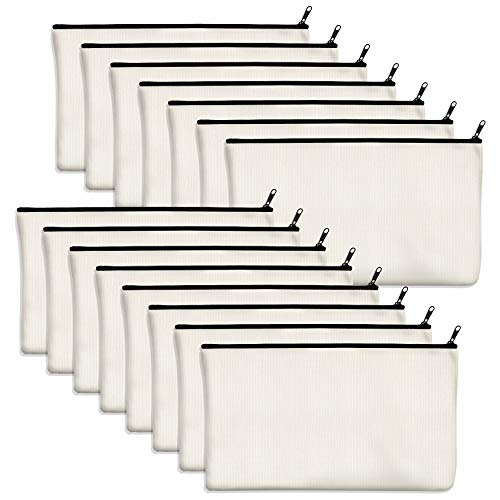
Fifteen canvas pouches with zippers bring order to a table full of loose beads. Give each color family its own pouch, hand each child a pouch for personal finds during the hunt, and keep one pouch aside for beads that come back torn or damp so they leave the play pile at once. The zippers keep everything contained between games, which matters when small parts are part of the fun and grown-ups are in charge of handing them out and gathering them in.
One limit deserves plain words: these pouches are not waterproof. Keep them on a dry table, away from juice cups and water play, because paper beads and damp fabric do not mix. A wet pouch can soften the beads inside it, and any bead that comes out damp or torn should be retired on the spot. At the end of the day, count every bead back in, zip each pouch shut, and store the set somewhere dry and out of reach of very young children. Wash hands after play, and the pouches are ready to come out again for the next hunt, the next sorting race, or the next quiet pattern afternoon.
Specs:
– Pack of fifteen canvas pouches
– Zipper closures
– Not waterproof
Pilot G2 Pens

Gel pens are the grown-up tools of the bead day. Adults and older kids use them to label pouches by color, draw the hunt map in the notebook, write clue cards, and keep the tally as finds come in. A clear label on every pouch speeds up the count-in, and a bold clue card makes the hunt feel like a real expedition for younger players who are still learning their letters.
The caps are small parts, so caps stay with grown-ups at all times, clicked back on the moment a pen goes down. Pens belong to the adults and older kids only; younger children stick to beads, figures, and stickers under watchful eyes. Nothing from the pen pot goes in mouths, and pens stay off the play mat where rolling beads could knock them onto the floor. When the games wrap up, pens go back in their pouch, every bead gets counted back in, torn or damp beads are retired, hands are washed, and the table is clear. Simple habits like these keep a busy play day running smoothly from the first clue to the final count.
Specs:
– Gel pens
– For grown-up and older-kid use
– Caps are small parts; keep caps with grown-ups
FAQ
How many paper beads should grown-ups roll before the day?
Roll more than you think you need. A deep pile keeps the hunt lively, gives every child plenty to sort, and covers the odd bead that tears and gets retired mid-game. Grown-ups roll all beads ahead of play from plain paper strips, check each one for rough or soft spots, and set aside a small spare pouch so a fresh handful can join the game whenever the pile runs low.
What age suits a paper bead play day?
Follow the maker age guidance on every pack at the table, and use your own judgment on top of it. Paper beads and the figures in this kit are small parts, so the day is never for very young children. Beads stay with grown-ups between games, nothing goes in mouths, and adult supervision runs from the first round to the last. Older kids who can handle the count-in and the tally book often enjoy leading the younger players.
What happens if a bead gets wet or torn during play?
Retire it right away. Paper beads are soft by nature, and a torn or damp bead can break into smaller pieces, which is the last thing a small-parts game needs. The storage pouches in this kit are not waterproof, so keep drinks and water play away from the table. Pop retired beads in the bin, note the new total in the tally notebook, and carry on with the spare pouch.
How do we tidy up when the games finish?
Make the tidy-up a game of its own. Count every bead back in with the children, pouch by pouch and color by color, then zip the pouches shut and put the figures back in their tube. Retire any torn or damp beads you find along the way. Finish by washing hands together before snacks, and store the whole kit up high, dry, and out of reach until the next play day arrives.
Final verdict
A paper bead play day works because the beads are simple, light, and made by grown-ups ahead of play from plain paper strips, while the kit around them keeps everything organized. The animal figures add a hide-and-find thrill, the sticker book turns sorting into letter practice, the notebooks hold maps and tallies, the pouches keep colors apart and finds contained, and the pens let adults and older kids label, draw, and keep score. Hold the safety lines firmly — small parts with grown-ups, never for very young children, nothing in mouths, supervision throughout, every bead counted back in, torn or damp beads retired, and hands washed after play — and this kit delivers a calm, cheerful play day that children will ask for again.