Key takeaways
- Build a calm tissue paper hunt and sorting play day for kids with craft sheets, animal figures, a sticker book, notebooks, pouches and gel pens.
A tissue paper hunt turns a plain pack of craft sheets into a whole afternoon of gentle play. Grown-ups tuck single sheets behind cushions, under books, and along a hallway, and children gather them up, smooth them out, and sort them by color, size, or pattern on a big table or a clean floor blanket. The sheets are plain craft supplies meant for play and sorting only, so the fun stays simple: find, carry, lay flat, group, and count. Because the paper is light, even younger children can join in without heavy lifting or complicated rules.
This kit rounds out the hunt with small animal figures for hiding and matching, an alphabet sticker book for labeling each sorted pile, pocket notebooks for keeping a play log, zipper pouches for gathering finds, and gel pens for the grown-up score sheet. Adult supervision matters throughout the day, since the figures and pen caps are small parts that stay with grown-ups between turns. At the end of play, every sheet gets counted back in, torn or damp pieces are retired, and everyone washes hands before a snack.
As an Amazon Associate, we earn from qualifying purchases.
How to choose
Begin with the tissue paper itself. Plain craft tissue sheets, the kind sold for gift wrap and classroom crafts, work well because they fold small for hiding and open wide for sorting. Look for a pack with several colors so children can sort in more than one way, and keep the sheets dry from the moment the pack opens, since damp paper tears and clumps. Retire any sheet that rips during play rather than handing it back out, and keep a small spare stack ready so a torn sheet never ends the game early.
Think next about the play space. A single room with soft hiding spots works better than a whole house, because every sheet has to be found and counted back in before the day ends. Count the sheets out loud with the children before hiding them, write the number in the play log, and count again together at tidy-up time. If a sheet goes missing, pause and search as a group rather than opening a fresh pack, so the habit of counting back in becomes part of the fun.
Round out the kit with pieces that support the hunt. Small figures give children something sturdy to hide beside the paper and to match with sorted colors. Stickers help label piles and reward careful counting. Notebooks hold the log, the hiding map, and each child’s own tally marks. Pouches gather found sheets and figures between rounds, and a reliable pen keeps the grown-up records neat. Choose each piece for calm, seated play that suits a rainy afternoon, and follow the maker age guidance on every item in the kit.
Safari Ltd. Wild Toob

The Wild Toob is a tube of small animal figures that gives the hunt a second layer beyond paper. Grown-ups can hide one figure with each tissue sheet, so finding a sheet also means finding a creature, and children can match figures to sorted piles by color or by habitat groupings they invent themselves. The figures are sturdy in the hand and small enough to tuck behind a cushion or beneath a folded sheet without tearing it.
Because these figures are small parts, they stay with grown-ups between rounds and come out only under adult supervision. Hand them out one at a time as sheets are found, and gather them back into the tube during tidy-up, counting figures alongside the paper count. Children who are past the stage of mouthing small objects will enjoy lining the animals up along the edge of each sorted pile, naming them, and building little scenes on top of the smoothed sheets. The tube then doubles as a home for the figures between play days, keeping the kit together in one cupboard spot.
Specs
- Tube of small animal figures
- Small parts, so grown-up supervision is needed
- Figures pair with tissue sheets for hiding and matching games
Fashion Angels Alphabet Sticker Book

An alphabet sticker book earns its place in this kit at the sorting table. Once children have gathered their sheets and laid them in piles, stickers help label each group: a letter for the color, the first letter of a child’s name, or a simple A, B, C order for the rounds of the hunt. The book holds more than one thousand stickers, so there are plenty for labeling, for brightening the cover of a play log, and for handing out as small rewards when the final count matches the opening count.
Sticker work also slows the pace in a good way. Peeling and placing takes care and patience, and younger children can practice on the back of a retired tissue sheet before moving to the log book. Keep the sticker book with the grown-up supplies, since loose stickers and backing paper add to the tidy-up count. Used this way, the book stretches one play day into a small project: hunt, sort, label, and record, with each pile named before the sheets are folded away. Children can also press one chosen sticker beside each tally in their notebook, turning a plain count into a page they want to keep.
Specs
- Alphabet sticker book
- Holds more than one thousand stickers
- Used for labeling sorted piles and play logs
feela Pocket Notebooks 3-pack

A play day runs more smoothly with a simple log, and this three-pack of pocket notebooks covers the record keeping for children and grown-ups alike. One notebook can hold the official count: how many sheets went out, how many came back, and which hiding spots were used. Another becomes a drawing book where children sketch their favorite hiding place or the animal figures they found. The third stays spare for the next play day, so the kit is always ready.
The notebooks are small paper pocket notebooks, easy for little hands to carry from room to room during the hunt. Encourage children to make tally marks as they find each sheet, which builds counting practice into the game without any sense of a lesson. These notebooks are for play logs and lists only. They are never a place for writing full passwords or other private details; grown-ups should keep anything of that kind in a proper password manager instead. At the end of the day, the finished log goes into a pouch with the pens, and the count page becomes a nice record of how the hunt went and which hiding spots worked best.
Specs
- Pack of three small paper pocket notebooks
- For play logs, lists, and drawings only
- Never use for writing full passwords; use a password manager for those
Vantasii Canvas Zipper Pouches 15-pack
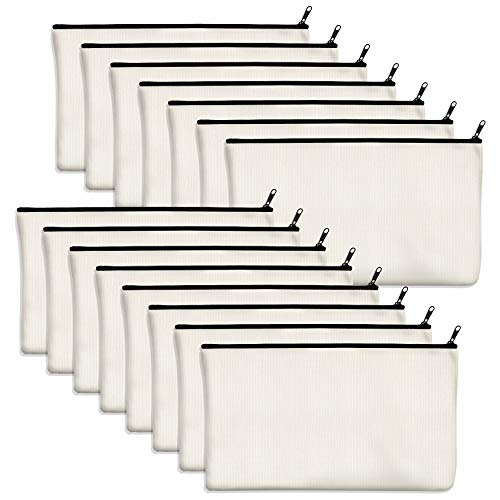
Fifteen canvas pouches with zippers may sound like a lot for one play day, but a hunt generates more small groups of things than you might expect. One pouch holds found tissue sheets waiting to be sorted. Another holds the animal figures between rounds. A third keeps stickers, pens, and the log book together, and the rest can divide spare sheets by color so the next round of hiding takes only a minute to set up.
The zippers matter because tissue paper is light and drifts out of open bags at the smallest knock. A closed pouch keeps a found sheet flat and clean until sorting time, and pouches give each child a personal gathering bag to carry during the hunt, which cuts down on dropped sheets along the hallway. One point to state plainly: these canvas pouches are not waterproof, so keep them away from drink spills and damp floors, and never use them to store wet or freshly washed items. After play, shake each pouch out over a bin, since tissue scraps love to hide in corners, then stack the pouches flat inside one another so the whole kit takes up very little room.
Specs
- Pack of fifteen canvas pouches with zippers
- For gathering and storing play day supplies
- Not waterproof
Pilot G2 Pens

Every hunt needs a scorekeeper, and these gel pens handle the grown-up paperwork neatly. Use one to write the opening sheet count in the log, mark off hiding spots as they are cleared, and note which sheets were retired for tears or damp so the pack can be topped up before the next play day. The ink lays down smoothly on notebook paper, which keeps the log readable even when it is written quickly between rounds.
These pens are for grown-up and older-kid use. The caps are small parts, so caps stay with grown-ups and a pen is never handed to a young child without its cap accounted for. Older children who write confidently can keep their own tally in a notebook with a pen of their own, as long as an adult is nearby and the cap count is checked at tidy-up time. Keep the pens stored in one of the canvas pouches with the log book, clicked shut or capped, so ink never marks the tissue sheets. A pen that lives with the kit means the count habit survives from one play day to the next, and the log slowly fills with a record of hunts, hiding spots, and favorite games.
Specs
- Gel pens for writing and tally keeping
- For grown-up and older-kid use
- Caps are small parts and stay with grown-ups
FAQ
How many tissue sheets should we hide for one hunt?
Hide a number the group can count back in comfortably. For younger children, ten to fifteen sheets in a single room is plenty, and the grown-up writes the count in the log before hiding begins. Older children can handle more sheets spread across two rooms. What matters is the closing count: every sheet comes back, torn or damp pieces are retired and noted, and the log shows the same number at the end as at the beginning.
What should we do with torn or damp tissue sheets?
Retire them. A torn sheet snags and sheds scraps, and a damp sheet clumps and can mark other sheets or the floor blanket. Note retired sheets in the log, drop them in the bin during tidy-up, and top up the pack before the next play day. Keeping only whole, dry sheets in the kit keeps the sorting piles neat and the counting simple.
How do we keep small parts safe during the play day?
Keep the animal figures and pen caps in grown-up hands between turns. Hand figures out one at a time as sheets are found, collect them into the tube at tidy-up, and count caps before the pens go back into their pouch. Adult supervision throughout the day, plus a clear rule that small parts stay at the sorting table, keeps the game calm. Once play is over, everyone washes hands.
Can the sorted tissue paper be reused on another day?
Yes, if the sheets come back whole and dry. Smooth each sheet flat, fold the keepers loosely, and store them in a canvas pouch away from drinks and damp rooms. Sheets that are crumpled beyond smoothing, torn, or marked with pen are retired instead. A quick check against the log count while folding tells you the kit is complete and ready for the next hunt.
Final verdict
A tissue paper hunt works because the main material is cheap in effort and rich in play value: hide, find, sort, label, and count. The tissue sheets stay plain craft supplies for play and sorting only, while the figures, stickers, notebooks, pouches, and pens in this kit give the day its shape. With adult supervision throughout, small parts kept with grown-ups, every sheet counted back in, and hands washed at the end, the kit delivers a calm, tidy play day that children will ask for again.