Key takeaways
- Plan a paper chain hunt and sorting play day with craft strips, stickers, figures, notebooks and pouches, plus calm grown-up safety steps for group play.
A paper chain hunt turns one of the plainest craft supplies in the cupboard into a full afternoon of searching, sorting and linking. A grown-up cuts simple paper strips ahead of time, links some of them into short chains, and hides the chains and loose strips around a room, a garden or a hall. Children then hunt for every piece, carry their finds back to a blanket or table, and sort them by color, pattern and length before linking them into one long chain. The game suits a wide mix of ages: the hunting is active, the sorting is calm, and the linking gives small fingers a steady job.
The five picks below support that kind of day rather than replacing the craft itself. Small animal figures give the sorting game a second theme, an alphabet sticker book helps mark finds and label sorting piles, pocket notebooks hold play logs and lists, canvas pouches gather loose strips, and gel pens cover the writing jobs for grown-ups and older kids. Paper strips and finished chains are plain craft supplies for play and sorting only, and the whole day runs under adult supervision from the first hide to the final count back in.
As an Amazon Associate, we earn from qualifying purchases.
How to choose
Plan the cutting first. Scissors are handled by grown-ups only, so one adult cuts all the strips before the hunt begins and puts the scissors away out of reach. Cut more strips than you think you need, in a mix of colors and patterns, so the sorting piles look clearly different. Keep strip lengths even, because even strips link into neater chains.
Choose a bounded hunting area. A single room, a fenced garden or one end of a hall keeps the search fair and makes the final count realistic. Hide chains and strips at child height, in plain sight for younger children and in slightly trickier spots for older ones. Keep pieces away from water, heat, steps or anything fragile, and keep the whole area inside the space the supervising grown-ups can see.
Simple sorting categories work well: color first, then pattern, then length. Lay out a pouch or a labeled patch of blanket for each category so children can see where finds belong. Small parts and pen caps stay with grown-ups throughout the day, and figures and stickers never travel in pockets or mouths.
Finish with a full count back in, using the number the grown-up noted during cutting. Wash hands after play, since paper, glue and garden dust all end up on fingers. Follow maker age guidance on every product in the kit, and retire damaged items such as torn pouches, cracked figures or pens with loose caps.
Safari Ltd. Wild Toob

The Wild Toob adds a second sorting theme to the paper chain day. It is a tube of small animal figures, and those figures work as hunt markers, sorting tokens and prizes for a finished chain. A grown-up can hide one figure beside each hidden chain, so finding a figure tells a child a chain is near. Back at the blanket, children can sort the figures by kind or line them up along the finished chain.
Because the figures are small parts, they belong in grown-up hands between rounds. Keep the tube with the supervising adult, hand figures out one at a time, and collect them again before the group moves on. The figures also suit quiet table play once the chain is linked: children can place one figure on each link while counting aloud, which doubles as a check that no link has gone missing under the blanket.
Used this way, the Toob earns its place as the play piece of the kit. It is not a craft supply and it does not join the chain; it simply gives the hunt a goal and the sorting a playful second layer, all under grown-up supervision.
Specs:
– Format: Tube of small animal figures
– Role in the day: Hunt markers and sorting tokens
– Note: Small parts; grown-up supervision throughout
Fashion Angels Alphabet Sticker Book

An alphabet sticker book pulls double duty on a paper chain day. The stickers mark finds, label sorting piles and reward careful counting. A grown-up can place one sticker on the corner of each blanket patch to name the category, or let each child pick a letter sticker for the link they found first. Older children enjoy spelling short words along the finished chain, one letter per link, which turns the end of the hunt into a calm table activity.
The book holds more than one thousand stickers, so a single book covers many play days and many children without running thin. Pages of letters also help with sorting talk: children can match a sticker letter to the first letter of a color name. Keep the book with a grown-up between turns so pages stay flat and stickers stay on their sheets until they are handed out.
Stickers are small and peel away easily, so they follow the same rule as the other small pieces: an adult supervises, stickers go on paper, blanket labels or notebooks, and any loose sticker found on the floor goes straight into a pouch. Retire worn sheets rather than leaving them loose in the play box.
Specs:
– Format: Alphabet sticker book
– Sticker count: More than one thousand
– Role in the day: Marking finds and labeling sorting piles
feela Pocket Notebooks 3-pack

The feela pocket notebooks hold the paperwork of the play day. They are small paper notebooks, and on a paper chain day they suit play logs and lists only: the strip count from cutting, the hiding spots, the sorting categories, and the tally from the count back in. A three-pack means one notebook can live with the craft box, one with the supervising grown-up, and one can be the children’s own log for drawing the finished chain.
Keeping the count in a notebook matters more than it sounds. The grown-up writes down how many strips were cut and how many links were hidden, and the hunt only ends when the notebook tally and the blanket pile agree. Children can help by drawing a mark for each link they carry back.
One firm rule belongs in this section: these notebooks are for play logs and lists only, never for writing full passwords or any private codes. Families who keep household passwords should use a proper password manager for those, and keep paper notebooks for harmless everyday notes like shopping lists, game tallies and craft plans. Used that way, the three-pack is a quiet organizer that keeps the whole day honest.
Specs:
– Format: Pack of three small paper notebooks
– Use: Play logs and lists only
– Note: Never for writing full passwords; use a password manager for those
Vantasii Canvas Zipper Pouches 15-pack
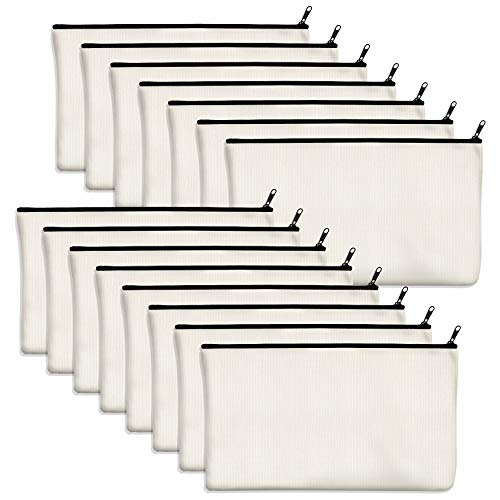
Loose paper strips travel badly. They bend, scatter and slip under furniture, which is why the Vantasii pouches matter to this kit. The pack holds fifteen canvas pouches with zippers, and each pouch can carry one child’s finds, one color family of strips, or one finished short chain. Zippers keep paper pieces inside during the walk back to the blanket, and the canvas body stands up to repeated opening through a long afternoon.
Assign one pouch per child at the beginning of the day. A child hunts with a pouch in hand, drops each found strip or link inside, and zips it shut before running to the next hiding spot. Back at the blanket, pouches empty onto the sorting patches in an orderly way, and the count back in goes faster because each child’s total is already gathered in one place.
One fact needs stating plainly: these pouches are not waterproof. Paper strips stored in them must stay dry, so keep pouches away from drinks, wet grass and rainy corners of the garden, and dry the pouches flat after any damp day before they go back in the craft box. Retire any pouch with a broken zipper or torn seam, since loose strips escaping mid-hunt spoil the count.
Specs:
– Count: 15-pack
– Material: Canvas with zippers
– Water resistance: Not waterproof; keep paper finds dry
Pilot G2 Pens

The Pilot G2 pens cover the writing jobs that adults and older kids handle during the day. These are gel pens, suited to writing the strip tally in the notebook, labeling the sorting patches, marking each child’s pouch with a name, and noting hiding spots before the hunt begins. A smooth gel line reads clearly on plain paper labels, which helps younger children match a pouch or a blanket patch to the category written on it.
Keep the pens in grown-up hands or with older kids who already write confidently. Younger children get stickers and figures to handle, while the pens stay at the table with the supervising adult. That split keeps pen marks off hands, clothes and the paper chains themselves.
Caps deserve their own rule. Pen caps are small parts, so caps stay with grown-ups: click or cap each pen as soon as the writing is done, and store the pens in one of the canvas pouches rather than loose in the play box. A pen with a missing cap or a cracked barrel should be retired from the kit. With those simple habits, one small set of pens quietly handles every label, tally and list the day produces.
Specs:
– Type: Gel pens
– Use: Grown-up and older-kid writing jobs
– Note: Caps are small parts; keep caps with grown-ups
FAQ
Who should cut the paper strips for the hunt?
Grown-ups only. Scissors stay in adult hands for the whole day: one grown-up cuts every strip before the hunt, then puts the scissors away out of reach. Children handle only the cut strips and finished links. Pre-cutting also lets the grown-up count the strips and note the number in a notebook, which makes the count back in fair and simple.
How do we make sure no strips or links get left behind?
Count out and count back in. The grown-up notes the strip total during cutting, each child carries finds in a zippered pouch, and the day ends only when the blanket pile matches the notebook tally. Figures and stickers handed out during play go back to the supervising adult at the same time. A slow final sweep of the hunting area, with children helping, catches the last link under a chair or leaf.
Are the canvas pouches waterproof?
No. The Vantasii pouches are canvas with zippers, and they are not waterproof. They keep paper strips gathered, sorted and safe from scattering, but they do not keep paper dry. Keep pouches away from drinks, wet grass and damp ground, and let them dry flat after a day outdoors before storing them. Paper finds that must travel in damp weather belong in a dry indoor spot instead.
What should go in the pocket notebooks?
Play logs and lists only. Good entries include the strip count, hiding spots, sorting categories, each child’s tally and a drawing of the finished chain. Never write full passwords or private codes in them; a password manager is the right home for those. Keeping the notebooks to harmless everyday notes means they can live in the craft box and pass between grown-ups and children without worry.
Final verdict
A paper chain hunt works because the craft is plain and endlessly repeatable, and this kit simply organizes the day around it. The animal figures give the hunt a goal, the sticker book labels and rewards, the notebooks keep the count honest, the pouches gather every loose strip, and the gel pens handle the writing for grown-ups and older kids. Add the standing safety habits — scissors only in grown-up hands, adult supervision throughout, small parts and pen caps kept with grown-ups, every strip and link counted back in, hands washed after play, maker age guidance followed and damaged items retired — and the result is a calm, cheerful play day that packs away neatly and can run again next weekend with a fresh set of strips.