Key takeaways
- Plan a cork hunt and sorting play day with animal figures, stickers, notebooks, pouches and pens for labeling finds and grouping corks by size and shade.
A bag of plain craft corks can anchor a whole afternoon of play. Hide the corks around a garden or along a hall, hand each child a small pouch, and send everyone off to search behind plant pots and under benches. Once the hunting winds down, the same corks turn into a sorting table, where kids group them by size, line them up by shade, and drop them into a bowl of water to watch which ones bob high and which sit low. It is simple, calm, and easy to run for a mixed-age group.
This kit gathers the support pieces: animal figures for pretend play between rounds, a sticker book for labeling finds, pocket notebooks for play logs, canvas pouches for carrying and grouping corks, and gel pens for grown-ups and older kids. The corks themselves are plain craft corks bought as craft supplies, not corks pulled from drinks, and they stay play pieces from beginning to end, never food and never anything to chew on.
As an Amazon Associate, we earn from qualifying purchases.
How to choose
Begin with the cork supply itself. Plain craft corks sold as craft supplies are the right pick, because they are clean, uniform enough for sorting games, and free of anything from a drinks bottle. Buy enough that every child can gather a good handful, and keep a few spares aside for losses. Before the day, look over every cork and retire any that are crumbling, split, or chewed, since damaged pieces do not belong in play.
Think about where the hunt happens. A garden gives natural hiding spots, while a hall works well on a wet day, with corks tucked along shelves and ledges. Either way, walk the space first and set clear bounds, so younger children stay in sight and nobody wanders toward roads, ponds, or garden tools. Keep some corks in plain sight for the youngest hunters and a few tucked deeper for older kids.
Plan the sorting stage before the hunt begins, because tired hunters settle faster when the next activity is ready. A shallow tray or a cleared table works for grouping corks by size and shade, and a wide bowl of water adds the float-and-sink round, with a towel underneath for drips. Sorting carries real thinking: comparing, matching, counting rows, and noticing small differences in color and shape.
Each hunter needs a pouch or small bag, so finds stay gathered instead of rolling across the floor. Notebooks and pens turn the day into a log that kids can revisit, with tally marks for each round and drawings of favorite hiding spots. Stickers help label pouches, trays, and log pages, so every child’s finds stay with the right owner.
Keep safety general and steady throughout. An adult stays with the group at all times. Corks are small parts, so they stay out of mouths and well away from very young children, who can watch from a lap instead. Follow the maker age guidance on every item in the kit, and retire damaged items as soon as they appear. At the end of play, count the corks back in with the children helping, so none are left behind in the grass or under furniture.
Safari Ltd. Wild Toob

The hunting and sorting rounds leave gaps, and this tube of small wild animal figures fills those gaps with pretend play. While adults hide a fresh round of corks, children can line the animals up along a path or use them as markers beside favorite hiding spots. The figures also join the sorting table, since kids enjoy grouping animals by color or size right beside the cork rows, and a figure can stand guard over each finished row as a small reward.
Because the figures are small, they suit the same careful handling as the corks themselves. An adult should stay nearby while they are out, and the figures stay out of mouths and away from very young children. Between rounds, the figures gather back into their tube, which keeps the set together and makes the end-of-day count simple. The tube packs away neatly beside the cork bag, so the whole play day lives in one box.
The animals can also shape the hunt itself, with a few corks hidden along an animal parade route for a gentle story thread.
Specs
- Product type: tube of small wild animal figures
- Play uses: pretend play and sorting games
- Handling: small parts, adult supervision during play
- Storage: figures gather back into the tube
Fashion Angels Alphabet Sticker Book

Labeling is half the fun of a sorting day, and this alphabet sticker book gives children plenty of letters to work with. The book holds a large sticker count, more than one thousand stickers, so there are enough letters to spell names on pouches and title the pages of a play log. Children learning their letters get gentle practice hunting for the right initial, and older children enjoy spelling whole words for their sorting rows.
The stickers work best on smooth, dry surfaces, so pouches should be labeled before the hunt while they are still clean, and log pages can be titled at the table. A grown-up can help younger hands peel with care at tricky corners. Leftover letters are not wasted: they can adorn a score sheet, mark the bowl for the float-and-sink round, or spell out the words big, small, light, and dark above the sorting rows.
Keep the book flat and dry between uses, since damp pages curl and stickers lose their grip. Stored with the rest of the kit, it serves many play days, and the letter theme pairs naturally with early reading practice at home.
Specs
- Product type: alphabet sticker book
- Sticker count: more than one thousand stickers
- Play uses: labeling pouches, trays, and log pages; adorning score sheets
- Care: keep flat and dry between uses
feela Pocket Notebooks 3-pack

A play log turns a one-off hunt into a record children love to revisit. This three-pack of small paper pocket notebooks gives the day its logbooks: one can hold the tally of corks found in each round, another can carry drawings of hiding spots and sorting rows, and the third can stay spare for the next play day or for a grown-up’s planning notes. The pocket size suits small hands and tucks into a pouch or a back pocket between rounds, so recording happens on the move.
These notebooks are for play logs and lists only: tallies, sketches, words spelled with help, and notes about which hiding spots fooled everyone. They are paper notebooks for everyday jotting, and a firm rule belongs with them — never write full passwords in a paper notebook. Anything private belongs in a password manager, not on a page that travels in a child’s pouch.
The notebooks last longer when they stay dry, so they ride in a pouch during the water round rather than beside the bowl. When a log fills up, it becomes a keepsake of the day, worth shelving beside the kit box.
Specs
- Product type: small paper pocket notebooks
- Pack contents: three notebooks
- Play uses: play logs, tally lists, and sketches
- Rule: logs and lists only; full passwords belong in a password manager, never on paper
Vantasii Canvas Zipper Pouches 15-pack
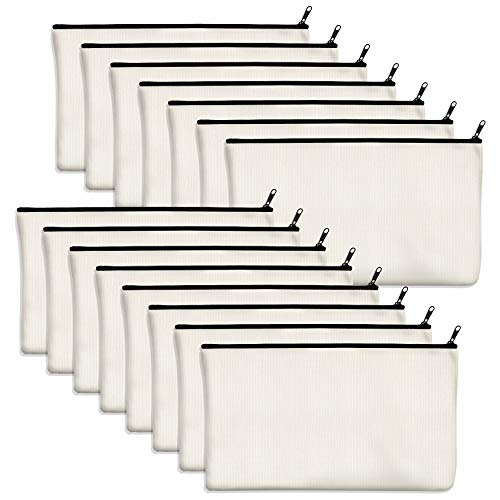
Every hunter needs somewhere to put finds, and this fifteen-pack of canvas zipper pouches solves the carrying question for a whole group. The pouches come in assorted sizes, so a grown-up can hand a small pouch to a young hunter gathering a few corks, and a larger one to an older child collecting for the sorting table. Zippers keep corks from spilling during the run back to base, and at the table the same pouches group corks by size or shade, one pouch per row, which keeps the sorting calm and clear.
Fifteen pouches also cover the rest of the kit. One holds the pens, one keeps the spare corks, and one carries the animal figures between rounds. Each pouch can carry a sticker name label, so finds never get mixed between children.
One fact needs stating plainly: these canvas pouches are not waterproof. During the float-and-sink round, pouches should stay on the dry side of the table, away from the bowl. Damp corks can air on the towel first and go back into a pouch once dry. Canvas also wipes clean easily after garden play, and the zippers give small hands simple opening and closing practice.
Specs
- Product type: canvas zipper pouches
- Pack contents: fifteen pouches in assorted sizes
- Play uses: carrying finds and grouping corks and small finds
- Water note: not waterproof; keep on the dry side during water play
Pilot G2 Pens

The recording side of the day runs on these gel ink pens. Grown-ups and older kids use them to keep the master tally, write names on labels before stickers go over them, draw the map of hiding spots in a logbook, and mark the sorting rows with quick headings. Gel ink writes smoothly on notebook paper, which helps when notes happen on the move, and the writing stays clear enough for children to read back their own scores at the end of the day.
In the framing of this kit, pens belong to grown-ups and older kids. Younger children can dictate their tallies while an adult writes, which keeps them included. Caps go back on between uses, and pens ride in their own pouch so ink stays off the corks and canvas.
A pen also settles the gentle disputes a hunt can raise: whose row holds more corks, and which hiding spot fooled the group longest. Written down in the log, the answers become part of the day’s story. Keep a spare pen in the kit box, since one always wanders off.
Specs
- Product type: gel ink pens
- Play uses: labeling, tally keeping, and list writing
- Users: grown-ups and older kids
- Care: caps on between uses; store in a pouch away from corks
FAQ
How many corks should we buy for a group hunt?
Enough that every child can gather a good handful in each round, plus a few spares for the ones that roll away and stay lost. A generous bag of plain craft corks, bought as craft supplies, covers a small group for several rounds.
Are corks safe for toddlers to join in with?
Corks are small parts, so they stay out of mouths and away from very young children. Toddlers can still share the day from a lap or a nearby blanket, watching the sorting, splashing a hand in the water bowl with an adult close by, and enjoying the animal figures. Always follow the maker age guidance on each item.
What should we do with corks after the float-and-sink round?
Lift them out, rest them on a towel, and let them air until dry before they go back into a pouch or the kit box. Damp corks stored away can pick up a musty smell, and the canvas pouches are not waterproof, so dry corks and dry pouches keep the whole kit fresh for the next round.
How do we make sure no corks get left behind outside?
Count the corks back in at the end of play, with the children helping and the logbook tally as a guide. Walk the hunting area once more as a group, checking the favorite hiding spots, and retire any cork that comes back split or crumbling.
Final verdict
A cork hunt and sorting day needs little buying and plenty of simple structure, and this kit supplies the structure. The animal figures fill the waiting gaps with pretend play, the sticker book handles names and row labels, the notebooks hold the log, the pouches carry and group every find, and the pens keep the record straight. With plain craft corks, clear bounds, an adult close by, and a careful count at the end, the day runs gently for mixed ages and packs away into one box, ready to come out again on another day.