Key takeaways
- A calm pretend anthemis play and woodland note session for families, with flat paper blooms, simple props and gentle seated play on the mat at home.
A pretend anthemis session is a quiet paper game built around one simple idea: everything on the mat is drawn, cut from paper, or laid out flat, and nothing on it is a real plant. The anthemis itself is a set of flat paper shapes drawn as clusters of small blooms, and those shapes lie flat in loose rows along one side of the play mat for the whole session. A child sits or kneels on the mat, names the paper blooms, moves small flat figures among the rows, and keeps a short woodland note of what happened in the game. The room lights stay on, the pace stays slow, and a grown-up sits beside the child within reach from the first shape to the last.
Because the whole scene is paper, cloth and pretend, the setup rules are plain and easy to hold. The paper blooms are never raised, never stood up as a plant or a barrier, and never hung above the mat. There is nothing to climb, nothing to stand on, and nothing to step on, and the child stays seated or kneeling on the flat mat the whole time. Nothing sharp or heavy joins the game, nothing covers any face, and every edge on every piece is smooth and blunt. Sessions stay calm and short, and the paper anthemis carries no remedy or health meaning of any kind; it is only a paper bloom shape in a family game.
As an Amazon Associate, we earn from qualifying purchases.
How to choose
Begin with the mat itself, since the mat sets the whole shape of the session. A flat cloth mat with a plain surface works well, because paper shapes lie still on it and small figures rest flat without tipping. Keep the mat small enough that a seated child can reach every row of paper blooms without leaning far or rising up onto knees and feet. Next, think about the paper blooms: draw them in clusters of small blooms on plain paper, cut them out with smooth blunt edges, and lay them in loose rows along one side of the mat, leaving open space on the other side for figures and notes.
Choose every prop with the same flat rule in mind. Pens belong in grown-up hands for the whole session, since the grown-up draws the bloom shapes and writes any words the child cannot yet write. Small animal figures should be light, smooth and sized to rest flat on the mat rather than tower over the paper rows. A small notebook gives the woodland note a home, and a soft pouch keeps the paper shapes tidy between sessions. Sticker letters add a gentle word game at the end, when the child spells the name of a bloom or a figure on a plain page. Nothing in the set needs to be fancy; plain, light and flat beats fancy every time.
Pilot G2 Pens
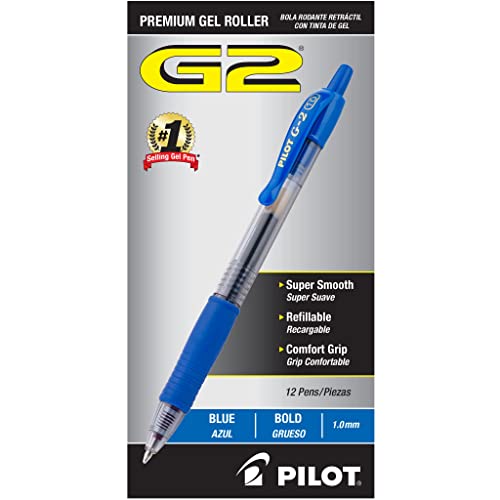
The pens in this session have one job, and it belongs to the grown-up alone: drawing the paper anthemis blooms and writing the words of the game. A gel pen gives a smooth, dark line on plain paper, so the small bloom clusters read clearly once they are cut out and laid in their rows. The grown-up draws each cluster before the session begins, or draws a fresh row while the child watches from the mat, and the pens stay in grown-up hands the whole time. That single rule keeps the game calm, because the child handles only flat paper shapes, figures and stickers, never a pen.
Gel ink also suits the labels and notes that hold the session together. The grown-up can write a bloom name under each row, number the rows for a simple counting game, or write the child’s words into the woodland note word for word. Because the line is clean and quick to dry on plain paper, the drawn shapes can be cut out soon after drawing without smearing the bloom outlines. Keep the pens capped and set aside on a table edge, out of the play space, whenever they are not in the grown-up’s hand. When the session ends, the pens go back with the other grown-up tools, and the paper blooms go into their pouch.
Specs
- Type: Gel pens
- Use: Notes and labels
- Ink: Gel
Safari Ltd. Wild Toob

The animal figures give the paper woodland its cast of visitors. A figure set like this one holds a small group of wild animal shapes that a child can move along the paper rows, park beside a bloom cluster, or line up for a counting game. In this session the figures are flat pretend-play pieces in the sense that they rest on the mat and stay low among the paper shapes; the game is about naming, placing and noting, not about building anything up. The child picks a figure, names it, sets it by a row of blooms, and the grown-up writes that small event into the woodland note.
Keep the figure play gentle and seated. The child stays on the mat, the figures stay on the mat, and nothing is thrown, stacked or balanced. A figure can visit each row in turn while the child counts the blooms in the row aloud, which turns the whole mat into a slow, calm round of naming and counting. If a figure tips over, it simply lies flat until the child sets it upright again, and the game goes on. At the end of the session, the figures go back into their tube or pouch alongside the paper blooms, ready for the next round of pretend woodland visits.
Specs
- Type: Animal figure set
- Use: Pretend play scenes
feela Pocket Notebooks

The woodland note is the heart of this guide, and a small pocket notebook is the right home for it. One page per session is plenty: the date at the top, the names of the bloom rows, which figures visited which row, and one or two of the child’s own sentences about the game. A pocket format keeps the book light and easy to hold on a lap beside the mat, and a pack of three means one book can live with the play set while the others wait for later sessions or for a sibling’s own notes. The grown-up writes for younger children and lets older ones write what they can.
These notebooks are for logs and lists only, and that boundary is worth keeping plainly. Use them for session notes, bloom names, figure lists and small drawings of the paper rows. They are never for full passwords, and no page in a play notebook should ever hold a password, a code or any private family detail. That rule keeps the notebook a safe, open book that the child can flip through at any time. Over a few weeks, the filled pages build a small record of the game: new bloom rows drawn, new figures named, and the child’s growing list of woodland words, all in one tidy place.
Specs
- Pack size: 3 notebooks
- Format: Pocket size
- Use: Logs and lists
- Note: Never for full passwords
Vantasii Canvas Zipper Pouches
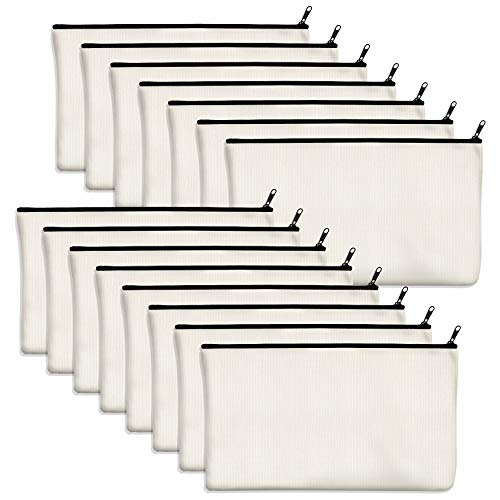
Paper bloom shapes are light and easy to lose, so a soft pouch earns its place in this set. A canvas zipper pouch holds the cut paper clusters, a few spare blank shapes and the sticker pages between sessions, and the zipper keeps everything inside when the pouch is carried from a shelf to the mat. Canvas is soft against small hands, lies flat in a drawer, and adds no hard edges to the play kit. With fifteen pouches in the pack, one pouch can hold the anthemis shapes while others hold figures, spare paper, or the notebook and pens that the grown-up keeps apart from the child’s pieces.
The framing for these pouches is dry indoor storage only. The canvas is not waterproof, and the guide says so plainly in prose as well as in the Specs below: keep the pouch indoors, keep it dry, and never leave it out in rain or set it down on wet ground. Paper shapes would spoil in a damp pouch, so a dry shelf or drawer is the right home for the kit. Within that dry indoor role, the pouches do their job well, keeping the loose rows of paper blooms sorted and ready. A labelled pouch for blooms, one for figures and one for spare paper turns tidying up into a short, calm end to every session.
Specs
- Pack size: 15 pouches
- Material: Canvas
- Closure: Zipper
- Water resistance: Not waterproof
Fashion Angels Alphabet Sticker Book

The sticker book closes the session with a quiet word game. Once the figures have visited the bloom rows and the note is written, the child picks the letters to spell a word from the game: a bloom name, a figure name, or a short word like mat, row or sun. Peeling a sticker and placing it in a line on a plain page is a calm, seated task that suits the end of a short session, and it ties the paper woodland to early letter play without turning the game into a lesson. The grown-up reads each finished word aloud, and the page can be slipped into the notebook pouch as part of the day’s record.
Keep the sticker play on paper and on the page. Stickers go on the plain page or on a spare paper shape, never on skin, never on faces, and never on furniture. The child stays seated on the mat while peeling and placing, and the grown-up stays beside them within reach, as in every part of the session. Because the letters are flat paper pieces, they follow the same rule as the blooms: flat on the page, in loose order, with nothing raised or hung. A page of sticker words next to the woodland note gives the session a gentle full stop, and the book goes back into the pouch until the next round.
Specs
- Type: Sticker book
- Use: Letters and word play
FAQ
Is any part of the anthemis in this game a real plant?
No. The anthemis here is only flat paper shapes drawn as clusters of small blooms. Nothing in the session is a real plant, and the paper blooms carry no remedy or health meaning of any kind. They lie flat in loose rows on the mat and are handled as paper game pieces from beginning to end.
Where does the child sit during the session?
The child stays seated or kneeling on the flat mat the whole time. There is nothing to climb, stand or step on, and a grown-up sits beside the child within reach for the full session. The room lights stay on, and every piece in the game is light, smooth and blunt at the edges.
Who holds the pens during play?
The grown-up holds the pens for the whole session. The grown-up draws the paper bloom shapes and writes any words the child cannot yet write, and the pens are capped and set aside whenever they are not in the grown-up’s hand. The child handles only paper shapes, figures, stickers and the notebook pages.
How do we keep the paper blooms tidy between sessions?
Lay the paper shapes flat inside a canvas zipper pouch and keep the pouch on a dry indoor shelf or in a drawer. The canvas is not waterproof, so the pouch must stay indoors and dry. Sorting blooms, figures and spare paper into separate pouches makes the next session quick to set out.
Final verdict
A pretend anthemis session works because every part of it is flat, light and calm: paper blooms in loose rows, small figures resting on the mat, a pocket notebook holding the woodland note, and a page of sticker letters to close the game. The grown-up draws with the gel pens and keeps them in hand, the pouches keep the paper pieces sorted in dry indoor storage, and the child stays seated beside the grown-up from the first row to the last word. Nothing real is picked, nothing is raised or hung, and nothing sharp, heavy or face-covering joins the mat. For a family that wants a short, gentle indoor game with a nature theme and a small written record, this set of plain paper props is all the woodland the game needs.
Product and ASIN Reference
| Product | ASIN |
|---|---|
| Pilot G2 Pens | B001AQPQBQ |
| Safari Ltd. Wild Toob | B000BNEOS0 |
| feela Pocket Notebooks | B0BG4MFCZC |
| Vantasii Canvas Zipper Pouches | B08CMQ6QG4 |
| Fashion Angels Alphabet Sticker Book | B09N7XCNTN |