Key takeaways
- A pretend iris play and woodland note guide for calm family sessions, with flat paper blooms, clear mat rules, and simple tools for short indoor play.
This guide builds a quiet woodland corner out of paper, cloth, and imagination, with the iris as the bloom of the day. The iris here is not a plant at all: it is a set of flat paper shapes, drawn as drooping blooms in soft colors and laid in loose rows along one side of a play mat. Nothing in the setup is real, nothing grows, and nothing needs water, soil, or sun. The child names each bloom, gives it a color, and weaves it into a small story while the shapes lie flat and still. A few simple tools support the play: a pen for the grown-up, a set of small figures, a notebook, storage pouches, and a sticker book for letter games.
The ground rules stay the same from the first session to the last. The child stays seated or kneeling on the flat mat the whole time, the room lights stay on, and a grown-up sits beside the child, within reach, for every minute of play. The paper shapes are never raised, never stood up as a plant or a barrier, and never hung; there is nothing to climb, stand on, or step on. Nothing sharp or heavy joins the game, nothing covers any face, and every edge stays smooth and blunt. Sessions stay calm and short, ending while the mood is still gentle, and the whole kit packs away into its pouches when the story ends.
As an Amazon Associate, we earn from qualifying purchases.
How to choose
Choosing tools for this game is mostly a matter of keeping every item flat, light, smooth, and easy to put away. Begin with the drawing tool, since the whole woodland grows from a few pen lines on paper: a gel pen gives a bold line the child can follow with a finger, and it stays in grown-up hands from setup to pack-up. Next come the figures, which should be small, smooth, and plain enough to sit flat on the mat without rolling or stacking. A pocket notebook earns its place by holding the story of each session, and a sticker book adds letter play with no loose parts beyond the page.
Storage matters more than it first seems, because paper blooms bend and small figures wander; a set of zip pouches keeps the kit in one drawer and makes the tidy-up part of the routine. Skip anything heavy, sharp, or tall, skip anything that needs to stand, hang, or balance, and skip any piece with rough edges. Every item here works while the child stays seated or kneeling on the mat, with the room lights on and a grown-up close beside them. If a tool cannot meet those plain rules, it does not join the game, however pretty it looks in the shop.
Pilot G2 Pens
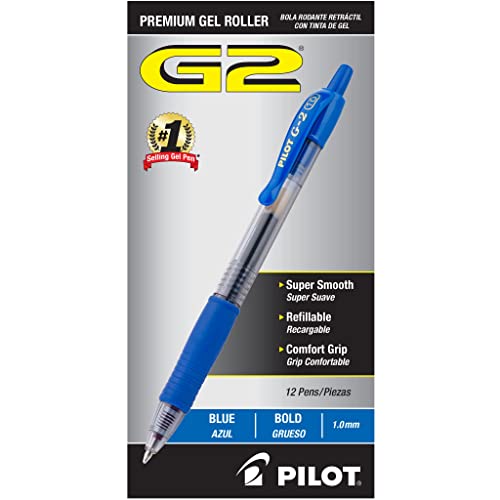
The pen in this setup belongs to the grown-up from the first minute to the last. Before the child sits down, the grown-up draws the iris shapes on plain paper: a curved stem line, a few drooping petal shapes, and a soft fan of leaves at the base. Gel ink lays down a clean, dark line that stays easy to see once the shapes are cut out with blunt scissors and laid flat along one side of the mat. The child never holds the pen, never carries it, and never reaches across the mat for it, because a pen is a grown-up tool in this game and that rule never bends. Between turns, the pen rests on a side table, well away from small fingers, with its cap clicked back on. The same pen fills in the session notes, marks which bloom shapes the child named, and labels the storage pouches once play ends. One pen is plenty for the whole routine, and a second one in a drawer covers the day the first runs dry. Keep the drawing simple, keep the lines bold, and let the paper blooms do the rest of the work during play.
Specs
- Type: Gel pens
- Use: Notes and labels
- Ink: Gel
Safari Ltd. Wild Toob

The animal figures give the paper woodland a small cast of visitors. Each figure is placed flat on the mat by the child, one at a time, beside the paper blooms, and the pair of you invent a quiet errand for it: a fox pausing by the iris row, a deer stepping along the mat edge, a rabbit resting near a leaf shape. The figures stay on the mat surface the whole time; nothing is stacked, balanced, or built upward, and no figure is ever held near a face. Turns stay slow and simple, with one figure moved per turn and the rest waiting in a neat line at the mat corner. If a figure tips over, the child sets it back down flat and the story carries on. The set also gives the session a gentle counting game, since the child can count the figures, count the blooms, and match one figure to one bloom in a row. When play ends, every figure goes back into its pouch, and a quick count confirms the full group is put away before the mat is rolled up for the day.
Specs
- Type: Animal figure set
- Use: Pretend play scenes
feela Pocket Notebooks

A small notebook turns a short play session into a tiny woodland record. The grown-up writes the date, the bloom color the child picked, and the names the child gave to each figure, while the child watches the words appear and sounds out any letters they know. The pages stay short and plain: a line for the row of blooms, a line for the visitors, a line for the word of the day. These books are for logs and lists like this, and for nothing heavier; they are never for full passwords or any private code, and that rule holds for every notebook in the home, play or otherwise. A pocket format slips into the storage pouch beside the figures, so the record lives with the game and the next session can open by reading the last page aloud. Over a few weeks, the filled pages show which stories the child loved, which bloom shapes wore out and need drawing again, and which new words joined the play. Keep the writing light, keep the book flat on the mat corner while it is open, and close it before any figure moves again.
Specs
- Pack size: 3 notebooks
- Format: Pocket size
- Use: Logs and lists
- Note: Never for full passwords
Vantasii Canvas Zipper Pouches
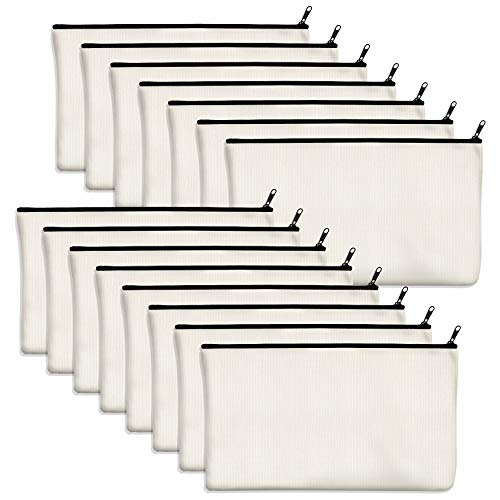
Loose paper shapes and small figures need one calm home between sessions, and a set of zip pouches gives each part of the game its own place. Blooms go in one pouch, leaf shapes in another, figures in a third, and the notebook and sticker book slide into a larger one, so setup next time is a simple matter of opening the right pouch and laying the row out again. The zip closure keeps pieces from drifting across a drawer, and the canvas sides fold flat when a pouch is empty. These pouches are for dry indoor storage only: the canvas is not waterproof, and the Specs line below says so in plain words, so keep the set on a shelf or in a drawer, away from sinks, drinks, and any damp corner of the home. If a pouch picks up dust, a dry cloth wipe is enough; never soak it or leave it near water with the paper shapes inside. Labeled with the grown-up pen, each pouch tells the child where things belong, and putting pieces away becomes the final, quiet turn of every session.
Specs
- Pack size: 15 pouches
- Material: Canvas
- Closure: Zipper
- Water resistance: Not waterproof
Fashion Angels Alphabet Sticker Book

The sticker book brings letters into the woodland without adding any new loose pieces to manage. The child picks a letter, finds the matching sticker, and presses it onto a plain paper slip that lies flat beside the bloom row, spelling the name of a figure or the color of a bloom. Stickers go on paper only, never on skin, never on the mat, and never anywhere near a face, and the grown-up peels the backing for younger children so small fingers only handle the smooth sticker itself. Pages move at a slow pace, one letter at a time, and a finished word slip can rest under the notebook until the session ends. The book also gives quiet hands something to do while the grown-up draws a fresh bloom or writes the day’s notes, which keeps the whole table calm. When a page fills up, it stays in the book as a record of the words the child has learned through play. Choose letters the child already knows by sound, add one new letter at a time, and let the word play stay as gentle as the rest of the game.
Specs
- Type: Sticker book
- Use: Letters and word play
FAQ
Are the iris blooms real flowers?
No. Every bloom in this game is a flat paper shape drawn by the grown-up before play begins. There is no real plant on the mat, nothing with soil or water, and nothing that needs care of any kind. The shapes are only pictures of blooms, and their whole job is to give the child’s stories a pretty row to wander past.
Can the paper shapes stand up like a garden row?
No, and they never should. The shapes always lie flat along one side of the mat, in loose rows the child can see and point to while seated. Nothing is raised, propped, taped upright, or hung, and nothing in the setup is built to climb on, stand on, or step on. Flat is the rule for every piece, every session.
Who draws the blooms and holds the pen?
The grown-up does, from setup to pack-up. The pen is a grown-up tool in this game: the child never holds it, carries it, or reaches for it across the mat. The grown-up draws the shapes, writes the session notes, and labels the pouches, while the child handles only the paper shapes, the figures, and the stickers meant for small hands.
How long should one session last?
Keep it calm and short, and end while the mood is still gentle. A few small stories, one counting round, and a page of letter play fill a session nicely, and the tidy-up into the pouches makes a quiet ending. If the child grows restless, close the notebook, gather the shapes, and let the woodland rest until another day.
Final verdict
This pretend iris setup works because every part of it stays simple, flat, and calm. The paper blooms ask nothing of anyone; they lie in their loose rows and let the child’s stories do the moving. The five tools each cover one plain job: the pen draws and labels in grown-up hands, the figures visit the row, the notebook keeps the story, the pouches keep the kit in order, and the sticker book turns spare minutes into letter play.
For a family that wants a gentle indoor game with clear rules, this is a kind routine to keep in a drawer. The child stays seated on the mat, the lights stay on, a grown-up stays close, and nothing sharp, heavy, raised, or real ever enters the play. Draw a fresh row of drooping blooms, open the notebook to a clean page, and let the small woodland stories begin.
Product and ASIN Reference
| Product | ASIN |
|---|---|
| Pilot G2 Pens | B001AQPQBQ |
| Safari Ltd. Wild Toob | B000BNEOS0 |
| feela Pocket Notebooks | B0BG4MFCZC |
| Vantasii Canvas Zipper Pouches | B08CMQ6QG4 |
| Fashion Angels Alphabet Sticker Book | B09N7XCNTN |