Key takeaways
- Set up a calm pretend lemongrass play and woodland note routine with flat paper blade fans, gentle props, and seated mat play for quiet afternoons.
Some afternoons call for a quiet game that stays in one place, and a pretend lemongrass patch fits that mood well. The lemongrass here is never a real plant. It is a row of flat paper shapes, drawn as long pale-green blades gathered into loose fans, lying flat along one side of a soft play mat. Each fan is only a drawing on paper, cut with smooth, blunt edges by a grown-up before play begins. The child sits or kneels on the mat, pats the paper fans flat, and invents a small woodland scene around them: a path, a clearing, a row of tiny homes for toy animals. A woodland note book sits nearby so the grown-up can jot down the story as it grows, one short line at a time.
The whole game stays low, slow and close to the floor. Paper shapes lie flat and are never raised, stood up as a plant or barrier, or hung above the mat. There is nothing to climb, stand or step on, and the child stays seated or kneeling on the flat mat the whole time. Room lights stay on, nothing sharp or heavy joins the game, and nothing covers any face. A grown-up sits beside the child, within reach the whole time, and keeps each session calm and short. This guide walks through the simple supplies that support that routine, from toy animals and stickers to the pens and pouches that keep the paper fans tidy between sessions.
As an Amazon Associate, we earn from qualifying purchases.
How to choose
Choose the paper first. Plain drawing paper or light card in a pale green gives blades that lie flat and stay flat, and a grown-up can draw long, simple blade shapes with rounded tips. Every edge should be smooth and blunt, with no points. Cut every shape before the child sits down, because cutting and pen work belong to the grown-up alone.
Pick a mat with a plain, calm surface and enough room for a row of fans along one side. The mat gives the child a clear place to sit or kneel for the whole session, and it keeps the paper off the floor. Set the mat in a bright spot, since room lights stay on for the whole game, and keep the area free of anything sharp or heavy.
Keep the prop list short: a small cast of toy animals, one sticker book, and one notebook for the grown-up. Too many props crowd the mat and break the calm mood. Check each item for rough edges before it joins the game, and set aside anything with loose small parts for very young children. Finally, plan the tidy-up as part of the game: pouches for flat keeping, a tray for the animals, and a shelf where everything rests between sessions.
Safari Ltd. Wild Toob

The toy animals give the paper lemongrass patch its cast of visitors. This set of small pretend play figures can wander among the flat fans, hide behind a drawn blade, or line up along the edge of the mat while the grown-up writes the woodland note. Because the blades are only paper, the animals do the moving in the story: a fox peeks out from one fan, a deer steps along the row, and a rabbit rests in the shade of a tall drawn blade. The child stays seated or kneeling, moving the figures with one hand while the other hand keeps the paper fans flat.
The figures suit a small scene laid out in front of a seated child, and their size makes them easy to place between the paper fans without knocking the row over. Before play, a grown-up should look over each figure and set aside any piece that seems too small for the child’s age. Keep the cast in a shallow tray or in one of the canvas pouches so every animal is easy to find, and count the figures back in at the end of the session. That small routine keeps the mat clear, keeps pieces off the floor, and makes the next woodland visit quicker to lay out.
Specs
- Type: Toy animal set
- Use: Pretend play
Fashion Angels Alphabet Sticker Book

Letter play fits this woodland routine in a gentle way. The sticker book lets the grown-up and child name each animal in the scene, match a letter to the animal’s name, and add one or two stickers to the notebook page beside the woodland note. A page might hold the letter for fox, a sticker of a tree, and the short line the grown-up wrote while the child told the story. The stickers lie flat, just like the paper blades, so nothing in the game stands up or tips over.
Peeling can be fiddly for small fingers, so the grown-up lifts each sticker and the child chooses where it goes. That keeps the pace calm and keeps the book in good shape. Use the book a page or two at a time rather than all at once, and let the child pick the letter for the day. Over a few weeks the notebook fills with letters, stickers and short notes that the child can look back through, and the sticker book becomes a simple record of how the woodland stories grew from one session to the next.
Specs
- Type: Sticker book
- Use: Letter play
Pilot G2 Pens
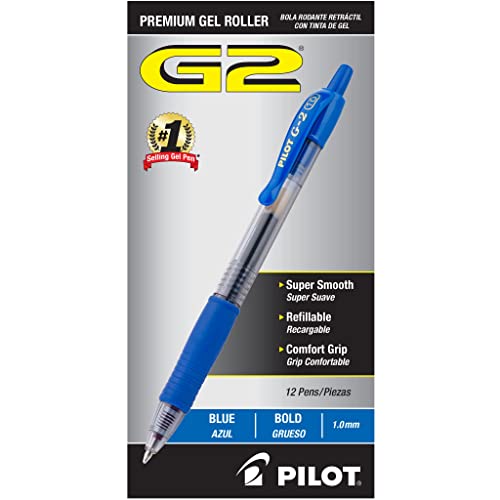
Every blade in the lemongrass row begins as a line drawn by a grown-up, and these gel pens are the grown-up’s tool for that job. The pens draw the long pale-green blades, write the woodland note in the notebook, and add names and dates to the labels on the storage pouches. Smooth gel ink makes long blades easy to draw in one pass, and the same pen can switch from drawing to neat note writing without any fuss.
Pen work belongs to the grown-up alone in this routine, and so does any cutting. The child never draws, writes with, or carries the pens. Keep the pens capped when they are not in use, and keep them in a pouch beside the grown-up rather than on the play mat. When a fan tears or fades, the grown-up draws a fresh one before the next session while the child watches from the mat. Framed this way, the pens stay a quiet background tool: they prepare the game and record it, while the child’s own jobs are arranging the fans, moving the animals, and telling the story out loud.
Specs
- Type: Gel pens
- Use: Notes and labels
- Ink: Gel
Vantasii Canvas Zipper Pouches
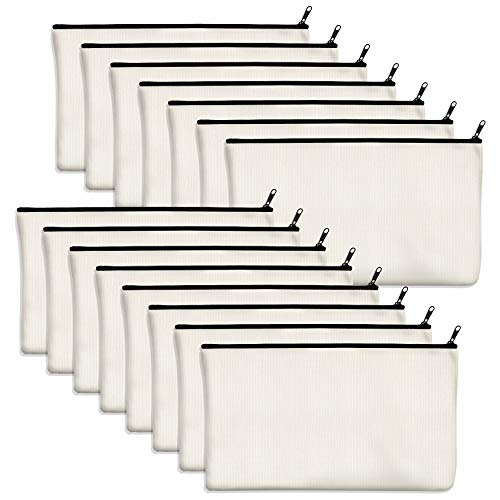
Paper fans only last if they are kept flat and dry, and these canvas pouches give each fan set a home between sessions. The pack holds fifteen pouches, so one pouch can keep a full row of lemongrass blades, another can hold spare blank blades, and a third can carry the toy animals. The zipper closure keeps the contents in place when the pouch is carried from a shelf to the mat, and the canvas sides are soft against the paper, so edges stay smooth rather than bent.
The pouches are for dry indoor storage only. They are not waterproof, so keep them away from drink cups, damp floors and any wet play, and let a fan dry fully before it goes back into its pouch. A grown-up can write the set name on a small paper label and slip it inside the front of each pouch, which makes it easy to find the right row on a busy day. Lay the pouches flat on a shelf instead of propping them on end, and the blades inside stay flat too. With that simple habit, one set of paper fans can serve many calm afternoons of woodland play.
Specs
- Pack size: 15 pouches
- Material: Canvas
- Closure: Zipper
- Water resistance: Not waterproof
feela Pocket Notebooks

The woodland note is the heart of this routine, and these pocket notebooks are where the notes live. The pack holds three small notebooks, so a family can keep one book for lemongrass stories, one for other pretend scenes, and one spare. The pocket size suits a grown-up writing at the edge of a mat: a few short lines per session are plenty, along with the date and the letters the child picked that day. Reading an old note aloud at the beginning of a new session is a lovely way to settle into the game.
Use the notebooks for logs and lists only: story lines, fan counts, sticker letters, and short lists of props to prepare. They are never for full passwords, and no account details or private codes belong in a play notebook that a child handles and looks through. Keep the writing simple and large enough for the child to follow with a finger while the grown-up reads. When a book fills up, it becomes a small keepsake of the woodland game, and the next book in the pack takes its place with a fresh first page.
Specs
- Pack size: 3 notebooks
- Format: Pocket size
- Use: Logs and lists
- Note: Never for full passwords
FAQ
Is the lemongrass a real plant?
No. The lemongrass in this game is paper only: flat shapes drawn as long pale-green blades in loose fans, cut by a grown-up before play. Nothing in the scene is alive, nothing needs water or light, and the fans can be used again and again. If a child asks about real lemongrass, keep that chat for the kitchen with a grown-up, away from the play mat.
How long should one session last?
Keep each session calm and short. Ten minutes or so is plenty for a young child, and it is fine to end sooner if attention wanders. Ending while the game is still calm makes the next session easier to begin. Pack the fans flat into their pouches, count the animals back in, and read one old woodland note together as a closing routine.
Can my child draw or cut the blades?
In this routine, cutting and pen work belong to the grown-up alone. The grown-up draws and cuts every blade before play begins, with smooth, blunt edges. The child’s jobs are just as important: choosing the fan order, placing the animals, picking the sticker letter, and telling the story while the grown-up writes the woodland note. That split keeps the game safe and gives the child the storytelling lead.
How should the paper fans be stored?
Lay the fans flat inside a canvas pouch and keep the pouch on a dry shelf. The pouches are not waterproof, so store them away from drinks and damp floors, and let any fan dry before it goes back in. A small label inside the pouch helps a grown-up find the right set quickly. Kept this way, one set of blades can last through many sessions.
Final verdict
The pretend lemongrass row works because every part of it stays simple: paper blades lying flat, a seated child, a grown-up within reach, and a short note that turns play into a story worth keeping. The Wild Toob figures give the scene its visitors, the sticker book adds gentle letter play, and the pens, pouches and notebooks support the grown-up’s side of the routine — drawing, keeping and recording. None of it needs a real plant, a raised display or a long session. Set the fans in a loose row, keep the lights on and the pace calm, and let the woodland notes build up one quiet afternoon at a time.
Product and ASIN Reference
| Product | ASIN |
|---|---|
| Safari Ltd. Wild Toob | B000BNEOS0 |
| Fashion Angels Alphabet Sticker Book | B09N7XCNTN |
| Pilot G2 Pens | B001AQPQBQ |
| Vantasii Canvas Zipper Pouches | B08CMQ6QG4 |
| feela Pocket Notebooks | B0BG4MFCZC |