Key takeaways
- A pretend haymaking play set day for kids: paper grass, small haycocks, animal figures, sticker leaves and a play log, with calm woodland notes.
A pretend haymaking day turns a plain floor or garden blanket into a small meadow where children cut paper grass, gather it into neat piles, and stack it into little haycocks before the pretend sun goes down. The whole scene is make-believe from beginning to end: the grass is paper, the shears are paper, the meadow is drawn or laid out with cloth, and the only real work is the calm, happy work of small hands moving, sorting, and stacking. Drawn stepping cards mark the path across the meadow, sticker leaves dress the field edges, and small animal figures wait at the borders like quiet visitors watching the harvest come in.
This guide gathers five simple support picks: figures for the meadow edges, a sticker book for labels and leaf shapes, pocket notebooks for the play log, canvas pouches for keeping every small piece in one place, and gel pens for drawing the field, the cards, and the haycock signs. Grown-ups set the scene, keep small figures and small parts away from toddlers at all times, and do any real setup cutting themselves. Any real outdoor play stays fully separate from the pretend frame, supervised as usual, and the meadow itself never leaves the world of make-believe.
As an Amazon Associate, we earn from qualifying purchases.
How to choose
Begin with the meadow itself. A big sheet of green paper, a pale blanket, or a drawn field on card gives children a clear ground to work on, and a few drawn stepping cards laid across it turn simple walking into part of the game. Keep the layout open and low, with wide lanes between the paper grass rows so small feet and small hands can move without knocking the haycocks over.
Next, think about the grass. Long strips of green and yellow paper, cut in advance by a grown-up, make the most satisfying pretend crop: they bend, they rustle softly, and they stack into haycocks that hold their shape for a while. Paper shears for the children should themselves be pretend, drawn on card or shaped from thick paper, so the cutting motion is all mime and rhythm with nothing sharp in play. Children can also tear the grass strips by hand, which gives the same gathering feeling with even less setup.
Then plan the supporting pieces. Small animal figures give the meadow a story, since a hare or a fox watching from the edge makes every haycock feel earned. Stickers help children label sacks, mark finished rows, and add leaves to the field borders. A play log in a pocket notebook keeps the day going, with tallies of haycocks built and drawings of the field. Pouches keep loose pieces from wandering under furniture, and good pens make the drawing work feel calm.
Safari Ltd. Wild Toob

The Wild Toob carries a set of small wild animal figures that suit the meadow edges perfectly. A deer can stand by the drawn hedge, a rabbit can sit near the first haycock, and a fox can watch from the far corner while the children work their way down the paper rows. The figures are small and solid, so they hold their places on a blanket or paper field without tipping at every small knock, and children can move them along as the harvest moves.
In play, the figures give quiet children a role and busy children a focus. One child can be in charge of the animals, moving each visitor to a fresh viewing spot whenever a haycock is finished, while another child keeps cutting and stacking. The figures also help grown-ups pace the game: when the animals gather at the gate, the meadow day is nearly done. A grown-up should hand the figures out and gather them back in, since the pieces are small and must stay away from toddlers at all times. Kept in a pouch between play days, the set is ready for the next meadow morning.
Specs
- Product: Safari Ltd. Wild Toob
- Type: Toob of small wild animal figures
- Role in play: Meadow visitor figures at the field edges
- Piece size: Not stated
- Figure count: Not stated
- Material: Not stated
Fashion Angels Alphabet Sticker Book

An alphabet sticker book earns its place in a haymaking day in more ways than one. Children can spell out simple field words on their haycock signs, label the pretend sacks with big proud letters, and mark each finished row with a letter of its own. The letter stickers turn the play log into a small reading game as well, since a child who stacks three haycocks can find the matching letter and stick it beside the tally.
The leaf and shape stickers that come along in a book like this dress the meadow borders. A row of green leaves along the drawn hedge, a few round shapes for pretend apples on a paper tree, and the field looks cared for. Children who tire of stacking can sit with the book for a while and add stickers to their stepping cards, which keeps the whole group inside the same story. The pages are easy to share across a blanket, and one book covers many play days. Let a grown-up help younger children peel the trickier stickers so frustration stays low and the calm mood holds.
Specs
- Product: Fashion Angels Alphabet Sticker Book
- Type: Alphabet sticker book
- Role in play: Labels, signs, and meadow border leaves
- Page count: Not stated
- Sticker count: Not stated
- Theme beyond letters: Not stated
feela Pocket Notebooks

The feela pocket notebooks, in a pack of three, become the play log set for the whole haymaking season. One notebook can hold the field drawings, one can keep the haycock tallies, and one can travel to the blanket as the daily note book where a grown-up writes down the small stories the children tell about their meadow. The pocket size suits small hands and small bags alike, and the books feel like real farm records.
A play log stretches a single afternoon into a longer game. Children can draw the field before they build it, tick off each row as the grass comes down, and sketch the finished haycocks at the end of the day. On the next play day, the log reminds everyone where the gate stood and which corner the fox liked, so the story picks up where it left off. These notebooks are for play logs and lists only. Full passwords and private household details belong in proper grown-up keeping, never in a play book that travels around the house.
Specs
- Product: feela Pocket Notebooks
- Pack size: 3-pack
- Type: Pocket notebooks
- Role in play: Play logs, tallies, and field drawings
- Page count per book: Not stated
- Paper type: Not stated
Vantasii Canvas Zipper Pouches
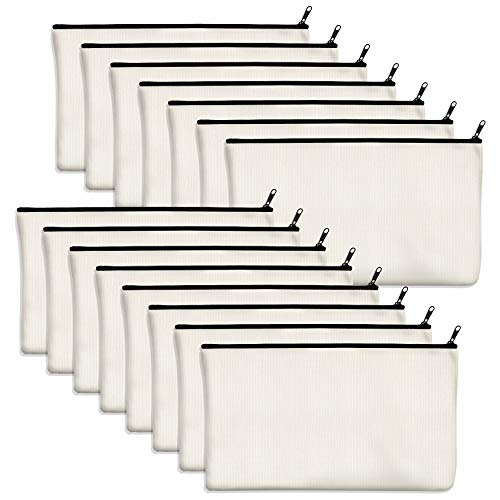
A haymaking day sheds small pieces everywhere: paper grass clippings, sticker backing, stepping cards, pens, and figures all drift toward the edges of the blanket. The Vantasii canvas zipper pouches, in a pack of fifteen, give every kind of piece its own home. One pouch holds the animal figures, one holds the pens, one holds the cards, and a few spares wait for the paper grass samples the children insist on keeping. The zippers make tidy-up feel like part of the game rather than the end of it.
Canvas stands up well to daily carrying, and the pouches slide into a basket so the whole meadow can travel to a grandparent’s house or a garden corner. Children enjoy being in charge of a pouch each, and the sorting at the end of the day is calm, quick work. One point must stay plain: these pouches are not waterproof, and the Specs below say so in exact words. Keep them for dry indoor pieces, and never rely on them to guard anything from rain or spills.
Specs
- Product: Vantasii Canvas Zipper Pouches
- Pack size: 15-pack
- Material: Canvas
- Closure: Zipper
- Water resistance: Not waterproof
- Pouch size: Not stated
Pilot G2 Pens
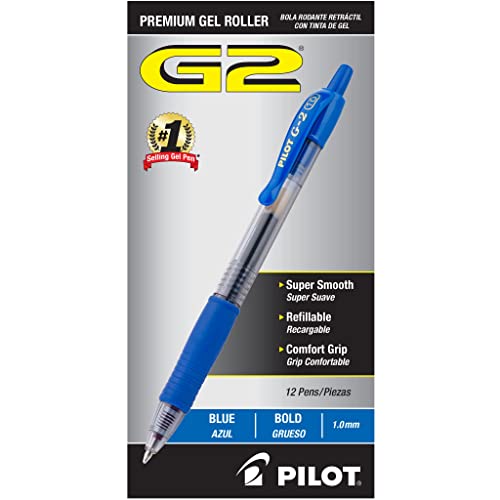
Every meadow needs its signs, and the Pilot G2 gel pens handle all of the drawing and writing work with a smooth, steady line. Grown-ups can draw the field plan, the stepping cards, and the haycock signs with clean edges, and older children can write their own labels and log entries with pens that feel properly grown-up. Gel ink sits well on card and paper, so the drawn rows and gate lines stay clear through a full afternoon of handling.
Having a few pens in the pouch also settles the small sharing questions that can slow a play day down. One pen for the log keeper, one for the sign maker, one spare for the grown-up sketching the next field, and nobody waits. Keep caps on between uses so the blanket and the paper field stay clean, and keep pens with the grown-up supplies when toddlers are part of the group, since small caps and small hands are a poor mix. Simple, reliable writing tools are easy to overlook, yet they quietly hold the whole pretend farm together.
Specs
- Product: Pilot G2 Pens
- Type: Gel pens
- Role in play: Signs, stepping cards, and log writing
- Ink color: Not stated
- Pack size: Not stated
- Tip size: Not stated
FAQ
Is any of the haymaking play real farm work?
No. Every part of the day is pretend. The grass is paper, the shears are paper or drawn on card, the meadow is a blanket or a drawn field, and the haycocks are stacks of paper strips. No real cutting tools, real crops, or real farm tasks belong in the game at any point. If a family spends time outdoors on the same day, that real outdoor play stays fully separate from the pretend frame and supervised in the usual way.
How do grown-ups keep the play safe for mixed ages?
Grown-ups hold the small pieces and hand them out. The animal figures, sticker sheets, pens, and pouch contents are all small enough to need care, so a grown-up keeps them in a closed pouch and passes them to the children as the game needs them. Small figures stay away from toddlers at all times. Grown-ups also do any real setup cutting in advance, away from the play space, so children only ever handle paper, card, cloth, and pretend shears.
What can children record in the play log?
The log can hold field drawings, haycock tallies, letter practice from the sticker book, and the small stories children tell about the meadow visitors. A simple page per play day works well: a sketch of the field, a count of finished haycocks, and one line about where the animals watched from. The notebooks are for play logs and lists only, and full passwords or private household details belong in proper grown-up keeping.
How should the set be stored between play days?
Gather the figures, cards, stickers, and pens into the canvas pouches, slip the notebooks and sticker book into the same basket, and keep the paper grass in one pouch of its own. The pouches are dry storage only, since they are not waterproof, so the basket belongs indoors on a shelf rather than anywhere damp. Stored this way, the whole meadow sets up again in a few calm minutes.
Final verdict
A pretend haymaking day asks very little of a household and gives back a long, calm afternoon. Paper grass, drawn cards, and a blanket meadow carry the game, while the five picks in this guide handle the supporting work: animal figures for the field edges, letter stickers for signs and borders, pocket notebooks for a play log that stretches the story across many days, canvas pouches that keep every small piece sorted and dry, and gel pens for the drawing and writing. Set the scene with care, keep small pieces in grown-up hands and away from toddlers, hold the pretend frame firm from gate to final haycock, and the meadow will be a place children ask to return to all season long.
Product and ASIN Reference
| Product | ASIN |
|---|---|
| Safari Ltd. Wild Toob | B000BNEOS0 |
| Fashion Angels Alphabet Sticker Book | B09N7XCNTN |
| feela Pocket Notebooks | B0BG4MFCZC |
| Vantasii Canvas Zipper Pouches | B08CMQ6QG4 |
| Pilot G2 Pens | B001AQPQBQ |