Key takeaways
- Set up a pretend millstone play set on a table and let kids run a quiet woodland mill with paper sacks, animal visitors, sticker leaves and a play log.
A pretend millstone play day turns an ordinary table into a small woodland mill that children can run with paper, patience, and imagination. A big round paper millstone sits on a sturdy card and turns slowly over a drawn grain pile, while folded paper sacks rest beside it waiting to be filled. Drawn stepping cards lead across the card like a path through trees, and small animal figures gather at the edges as the mill’s visitors, watching the work. Children take turns moving the stone, scooping pretend grain, and noting each round in a play log, and the whole scene stays on paper, so the mill runs quietly indoors in any weather and packs away in minutes when the day winds down.
This guide gathers five simple supplies that support that scene: animal figures to play the mill’s visitors, an alphabet sticker book for leaves and labels, pocket notebooks for the play log, canvas pouches for keeping small pieces tidy, and gel pens for drawing the grain pile and the stepping cards. Every part of the play is pretend. Grown-ups stay close by, keep small figures away from toddlers, and keep any real outdoor play supervised and fully outside the pretend frame, so the paper mill remains a calm tabletop world of its own.
As an Amazon Associate, we earn from qualifying purchases.
How to choose
Begin with the scene itself. The millstone works well as a large circle cut or drawn on a card, big enough for small hands to turn slowly over a drawn grain pile. Paper sacks can be folded from plain sheets and creased so they stand upright beside the stone. Stepping cards are small rectangles laid in a winding line, giving the visitors a path to follow.
Next, think about the supporting supplies. Animal figures should be small enough to line the edges of the card yet chunky enough for young hands to place and move. Stickers help children mark sacks, label corners of the mill, and scatter leaves around the scene without glue or mess. A notebook gives the play a gentle rhythm, since each turn at the stone can be noted down before the next child steps in. Pouches keep figures, stickers, and cards together between play days, so the mill can be rebuilt quickly. Pens round out the kit, drawing grain, paths, and signs. Choose sturdy, simple pieces, keep the set small, and let the children’s narration do the heavy lifting.
Safari Ltd. Wild Toob

The animal visitors give the mill its life, and this toob of small wild animal figures fills that role neatly. Children can line the figures along the edges of the card, where they watch the stone turn as if they have wandered in from the woodland path. A fox might wait near the stepping cards, a bear might stand by the paper sacks, and each figure becomes a character with a reason to visit the mill. Because the figures are small and varied, children can swap visitors between rounds, invent errands for them, and decide who brings grain and who carries a filled sack away.
The toob format keeps the whole cast together in one container, which helps when the mill is set up and cleared away often. Grown-ups can hand out a few figures at a time and keep the rest aside, which keeps the scene uncluttered and keeps small pieces accounted for. That matters in homes with toddlers, since small figures belong in grown-up hands until play begins and should go back into the toob the moment play ends. For a quiet, story-led mill day, this little crowd of visitors earns its place at the edge of the scene.
Specs
- Product type: Small wild animal figures
- Pack format: Toob
- Intended use: Pretend play figures
- Figure count: Not stated
- Material: Not stated
Fashion Angels Alphabet Sticker Book

Stickers do quiet but useful work in a pretend mill. This alphabet sticker book lets children label the paper sacks with letters, mark the corners of the card, and spell out short signs for the mill, such as which sack holds grain and which path the visitors follow. Letters turn the scene into an early reading game without any pressure, since children can hunt for the letter a sack needs and press it on themselves. Beyond letters, sticker leaves can scatter around the edges of the card to build the woodland setting, softening the mill into its pretend forest clearing.
A sticker book also suits the pace of this play. There is no glue to manage and no drying time, so children can adjust the scene as the story changes, moving a leaf, adding a sign, or renaming a sack between rounds. Grown-ups can guide younger children toward peeling and placing, which builds finger strength and patience in small, satisfying steps. When the mill closes for the day, unused stickers stay in the book, ready for the next building session. Simple, tidy, and endlessly reusable across many pretend settings, it is a gentle workhorse for tabletop play.
Specs
- Product type: Alphabet sticker book
- Intended use: Labels, signs, and scene details in pretend play
- Page count: Not stated
- Sticker count: Not stated
- Adhesive type: Not stated
feela Pocket Notebooks

Every good mill keeps a record, and these pocket notebooks give children a play log to call their own. The notebooks come in a 3-pack, so one can hold the mill log, another can list the visitors who came that day, and a third can keep drawings of the stone, the sacks, and the stepping card path. Children can note whose turn turned the stone, how many pretend sacks were filled, and what the animal visitors needed, building a small story of the day in their own words and pictures. The pocket size suits small hands and small tables, sliding beside the card without crowding the scene.
A few boundaries keep the notebooks in their proper role. They are for play logs and lists only: drawings, turn orders, sack tallies, and little maps of the woodland mill. Full passwords and private household details belong in proper grown-up keeping, never in a child’s play notebook, and grown-ups should say so plainly when the notebooks come out. Kept to play and lists, though, these notebooks add a calm, orderly rhythm to the mill, giving each child a reason to pause, observe the scene, and write or draw what happened before the stone turns again.
Specs
- Product type: Pocket notebooks
- Pack size: 3-pack
- Intended use: Play logs and lists only
- Page count: Not stated
- Paper type: Not stated
- Binding: Not stated
Vantasii Canvas Zipper Pouches
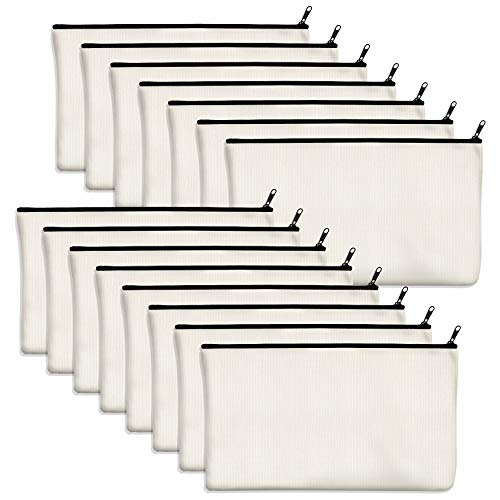
A pretend mill has many small pieces, and these canvas zipper pouches keep them gathered between play days. The set is a 15-pack, which is plenty for the whole scene: one pouch for the animal visitors, one for the stepping cards, one for folded paper sacks, and others for pens, stickers in use, and spare card shapes. Because each pouch zips closed, children can help with tidying without pieces slipping loose in a drawer or bag.
Sorting into pouches also becomes part of the play’s closing routine. Children can count figures back into their pouch, stack the cards, and fold the sacks, which turns clearing away into a calm final round of the game rather than a chore after it. One honest limit belongs in plain view: these pouches are not waterproof, and the Specs below say so directly. Keep them for dry indoor storage, away from drinks and damp tabletops, and they will serve the mill well. For families who rebuild the scene often, having every piece in its own pouch means the millstone can be turning again within minutes of the card coming out.
Specs
- Product type: Canvas zipper pouches
- Pack size: 15-pack
- Closure: Zipper
- Water resistance: Not waterproof
- Dimensions: Not stated
- Color: Not stated
Pilot G2 Pens
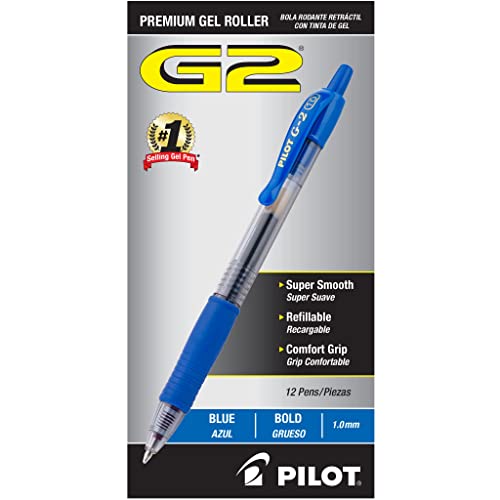
The drawn parts of the mill — the grain pile, the winding path, the signs on the sacks — call for a pen that makes a clear, steady line, and these gel pens fit that quiet drawing work. Children can outline the big circle of the millstone, shade the grain pile beneath it, and draw the stepping cards with simple borders and arrows. Gel ink lays down smoothly, which helps younger children who press lightly and older children who like to add fine detail, such as cracks on the stone or stitching lines on a paper sack. Grown-ups will find the same pens handy for writing sack labels and log headings in a clear hand.
Pens also support the play log, since a reliable pen makes noting turns and tallies feel like real mill keeping. A little supervision keeps pen work on the card and the notebooks, where it belongs, and caps should go back on between rounds so the tips stay in good shape. Within the pretend frame, the pens draw the world the figures visit, and that drawing is half the magic of a paper mill.
Specs
- Product type: Gel pens
- Intended use: Drawing and writing in the play scene and log
- Ink color: Not stated
- Tip size: Not stated
- Pack size: Not stated
FAQ
How do grown-ups keep small figures away from toddlers during play?
Grown-ups hold the figure toob and hand out a few figures at a time once the mill is set up, keeping the rest out of reach. Figures stay on the card during play, and when the mill closes, children count them back into their pouch with a grown-up watching. Toddlers can join in safer ways, such as turning the paper stone or placing big sticker leaves.
What can children write in the mill play log?
The log can hold turn orders, sack tallies, visitor lists, and small drawings of the stone and the path. Children might note who turned the stone, how many pretend sacks were filled, and which animal visited first. The notebooks are for play logs and lists only, so full passwords and private household details belong in proper grown-up keeping, and grown-ups can remind children of that boundary each time the log comes out.
How should the mill kit be stored between play days?
Sort the pieces into the canvas pouches: figures in one, cards in another, folded sacks and pens in others. The pouches are canvas and are not waterproof, so store them in a dry drawer or on a shelf away from drinks and damp spots. The sticker book and notebooks can rest on top of the card, keeping the whole woodland mill together and ready to rebuild quickly.
Can the same millstone scene be reused on another day?
Yes, and reuse is part of the charm. The card, stone, and stepping cards keep well inside the kit, and children can change the story each time by swapping visitors, renaming sacks with new stickers, and drawing a fresh path.
Final verdict
A pretend millstone play day asks very little of a household: a card, a drawn stone, paper sacks, and a handful of simple supplies. The five picks in this guide each support a part of that scene. The Wild Toob supplies the animal visitors who give the mill its stories, the sticker book labels sacks and scatters woodland leaves, the feela notebooks hold the play log that gives each turn its rhythm, the Vantasii pouches keep every small piece sorted between sessions, and the Pilot G2 pens draw the grain, the path, and the signs that tie the world together.
Families who enjoy calm, story-led tabletop play will find this set easy to live with. Everything is pretend, everything packs away into pouches and a drawer, and the boundaries are simple: grown-ups manage the small figures, keep them away from toddlers, guard the notebooks for play and lists only, and keep real outdoor play supervised and separate. Set the card on the table, lay out the stepping cards, and let the stone turn slowly while the visitors watch from the edges.
Product and ASIN Reference
| Product | ASIN |
|---|---|
| Safari Ltd. Wild Toob | B000BNEOS0 |
| Fashion Angels Alphabet Sticker Book | B09N7XCNTN |
| feela Pocket Notebooks | B0BG4MFCZC |
| Vantasii Canvas Zipper Pouches | B08CMQ6QG4 |
| Pilot G2 Pens | B001AQPQBQ |