Key takeaways
- A gentle pretend doctor play day kit for kids: animal patients, sticker charts, play notebooks, canvas pouches and grown-up pens for labels.
A pretend doctor play day turns an ordinary afternoon into a small, kind clinic where stuffed animals line up for check-ups and every patient leaves with a sticker. Children love copying the calm routine they have seen at real appointments: listening, looking, noting things down and declaring each patient all better. A good kit for this kind of play does not need blinking lights or a shelf of tiny instruments. It needs simple, sturdy pieces that support the story — patients to examine, charts to fill in, a place to keep the tools of the day, and labels so the whole clinic feels official.
The five picks below build that clinic from everyday items rather than a single boxed set. Small animal figures become the patients, a sticker book supplies rewards and chart stickers, pocket notebooks turn into play charts, canvas pouches keep the day’s pieces sorted, and gel pens let grown-ups write the labels and signs. Everything here is pretend, and that is the point: the charts carry drawings and stickers only, the patients are toys, and the doctor’s authority ends the moment the play day does. Set up with a grown-up nearby, it is a gentle, absorbing way to spend an afternoon.
As an Amazon Associate, we earn from qualifying purchases.
How to choose
Begin with the patients. A pretend clinic needs a waiting room full of small, characterful figures that little hands can hold, line up and examine one by one. Animal figures work beautifully because each one can have its own pretend name, its own chart and its own small story about a sore paw or a tickly tummy.
Next, think about the paperwork, because children take the paperwork of pretend play very seriously. Play charts should carry drawings and stickers only — pretend names, simple pictures, tick boxes drawn by hand — with no real personal details and no amounts written anywhere. A notebook per patient keeps the clinic orderly, and stickers make a natural reward at the end of each check-up.
Storage matters more than it first seems. Small pieces wander, so look for simple pouches that keep each part of the kit together and make the end-of-day count-back easy. Everything is counted back in when the clinic closes, and anything cracked or broken is retired on the spot.
Keep the safety frame clear from the beginning. Nothing from the play set is eaten, and no play item goes in mouths, ears or noses — say that plainly before play begins. Real medicine and real thermometers are never playthings; they stay in grown-up keeping, well away from the clinic. Small parts such as animal figures and pen caps stay with grown-ups between turns, and the maker’s age guidance for each item leads every decision about who plays with what. Hands get washed once the last patient goes home.
Safari Ltd. Wild Toob

Every clinic needs patients, and this tube of small animal figures fills the waiting room in one go. Each figure becomes a patient with a pretend name, a small complaint and a chart of its own, so a single tube can carry a whole afternoon of appointments. The figures are a handy size for the examining table: big enough for little doctors to hold steady while they listen to a chest or peer at a paw, small enough to line up in a tidy queue.
Because the patients are animals, the play stays gentle and funny. A giraffe with a pretend sore neck and a zebra with a tickly tummy invite caring talk rather than worry, and children nervous about real check-ups often relax when they are the ones doing the examining. The doctor can weigh each patient on a kitchen scale, note the result as a drawing on the chart, and send the patient back to the waiting row.
Keep the figures in grown-up keeping between play sessions, as small parts belong with adults, and count every patient back into the tube when the clinic closes. Any figure that cracks or breaks is retired at once. Nothing from the set is eaten, and figures never go in mouths, ears or noses during play.
Specs:
– Tube of small animal figures
– Figures serve as the pretend patients
– One tube supplies a full waiting room of characters
– Small parts: keep with grown-ups between sessions
Fashion Angels Alphabet Sticker Book

No check-up feels complete until the patient earns a sticker, and this alphabet sticker book supplies the rewards drawer of the clinic. Letters can spell out pretend names on the front of each chart, mark the door of the examining room, or label the waiting-room chairs, while single stickers work as the all-better badge every patient receives at the end of an appointment.
Stickers also give the doctor a quiet, seated job between examinations. Choosing the right letter for a patient’s chart, peeling it carefully and pressing it flat is absorbing work for small fingers, and it slows the play down in a pleasant way. A chart decorated with the patient’s initial looks official enough to file, and a row of finished charts makes a satisfying record of the day’s clinic.
Because the book is built around the alphabet, the play picks up letter practice without any drilling. Children hunt for the first letter of each pretend name, sound it out, and stick it down — learning tucked inside the game. Keep the names pretend, always: charts carry invented names, drawings and stickers only, never real personal details.
Used stickers go in the bin at tidy-up time, and the book lives with the kit so its pages stay flat and clean.
Specs:
– Alphabet sticker book
– Letters for chart names, labels and signs
– Single stickers serve as patient rewards
– Pages of stickers for dressing up play charts
feela Pocket Notebooks

The clinic runs on charts, and this 3-pack of pocket notebooks gives the doctor proper paperwork. One notebook can be the appointment book, one the patient charts, and one a notebook for the day’s lists — who has been seen, who is still waiting, and which patient needs a return visit. The pocket size suits a small clinic table and travels well if the surgery moves to the garden.
Charts stay firmly pretend. Each page holds a drawing of the patient, a sticker or two, and simple marks: a heart for a heartbeat listened to, a sun for a patient feeling brighter, a bandage shape for a sore paw seen to. Pretend names only, invented on the spot, and no real personal details or amounts written anywhere. Inventing each name is half the pleasure.
A note on what these notebooks are not for: they are play charts and lists only. Real household information — and above all full passwords — never belongs in a paper notebook. Grown-ups should keep passwords in a proper password manager and treat these pages as the children’s clinic paperwork.
When the clinic closes, the notebooks go back with the kit, ready for the next surgery day, and a filled book makes a sweet keepsake of the game.
Specs:
– 3-pack of pocket notebooks
– Framed here as play charts and lists only
– One book for appointments, one for charts, one for lists
– Never for full passwords — grown-ups use a password manager
Vantasii Canvas Zipper Pouches
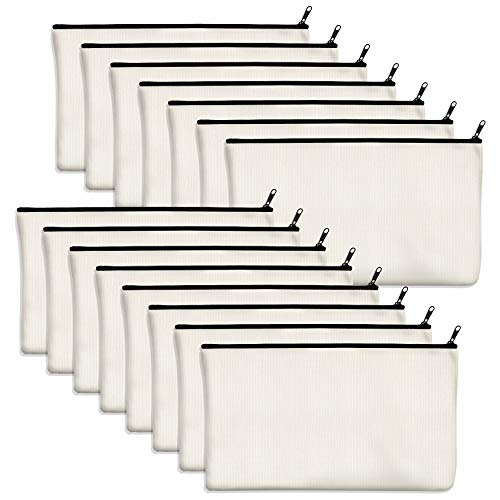
A clinic with loose pieces everywhere closes early, so this 15-pack of canvas zipper pouches becomes the kit’s cupboards and drawers. One pouch holds the day’s patients once they are seen, another keeps the sticker book flat, a third carries the notebooks, and the rest stand ready for whatever the game invents — a pretend pharmacy shelf, a bag for the doctor’s rounds, a waiting-room lost property store.
Canvas is a sensible material for play storage. It feels sturdy in small hands, the zippers give children a clear open-and-close job, and a filled pouch keeps its contents together on the shelf between play days. Fifteen is a generous count, so the kit can grow: spare pouches can hold a drawing set for the waiting room or keep each child’s own clinic pieces apart during a group play day.
Be clear about one limit: these pouches are for dry storage only. Canvas is not a waterproof material, and the pouches should never be treated as protection against spills, rain or damp. Keep them for dry kit, indoors, and they will do their job well.
At closing time the pouches make the count-back simple — each one is opened, checked and zipped — and any pouch with a torn seam or broken zipper is retired from the kit.
Specs:
– Canvas zipper pouches, 15-pack
– Dry storage only — never waterproof
– Zipper closure keeps small kit pieces together
– Enough pouches to sort the whole clinic by job
Pilot G2 Pens

Every clinic needs someone official to write the signs, and these gel pens are the grown-up’s tool in this kit. Grown-ups write the labels — Doctor’s Room, Waiting Room, Patients Seen Today — fill in the chart headings before play begins, and add the neat finishing lines that make a child’s chart feel like the real thing. Gel ink lays down smoothly and darkly, so even a quickly written sign reads clearly.
Keeping the pens as a grown-up job is deliberate. Pen caps are small parts, and small parts stay with grown-ups in this kit at all times. The doctor can dictate, the grown-up writes, and the chart still belongs entirely to the child. For their own marks, children use the drawings and stickers already in the kit, which suit the pretend paperwork perfectly well.
The pens also serve the grown-up side of the play day itself: a shopping list for the clinic’s pretend supplies, a note of which figures need retiring, a label on each pouch so the count-back at closing time runs quickly. A pen that lives with the kit means the clinic can open without a hunt through the kitchen drawer.
Store the pens capped, with the kit, out of the play area between sessions, and retire any pen with a cracked barrel or a loose cap.
Specs:
– Gel pens
– For grown-up labels, signs and chart headings
– Caps are small parts: pens stay with grown-ups
– Smooth gel ink for clear, dark writing
FAQ
How do I keep pretend doctor play clearly pretend?
Set the frame out loud before play begins: the patients are toys, the charts hold drawings and stickers with invented names, and nothing real is examined, tasted or taken. Real medicine and real thermometers never join the game and stay in grown-up keeping. Children follow a clear frame happily, especially when the pretend version comes with stickers.
What should the play charts include?
Drawings, stickers, pretend names and simple picture marks — a heart, a sun, a bandage shape. Charts carry no real personal details and no amounts of any kind. One notebook can hold appointments and another the charts themselves, so the doctor can look back over a full day of patients at closing time.
Which pieces need grown-up keeping?
The pens and their caps stay with grown-ups throughout, and the small animal figures live with a grown-up between sessions, coming out when the clinic opens. Anything cracked or broken is retired at once rather than returned to the kit. Everything is counted back in at the end of play, pouch by pouch and figure by figure.
How does the play day end well?
Close the clinic like a real one: last patient seen, final sticker given, charts filed in the notebooks, figures counted back into their tube, pouches zipped and pens capped away. Then hands are washed with soap, the kit goes back on its shelf, and the doctor is officially off duty until the next surgery day.
Final verdict
This kit builds a complete pretend clinic from five simple, well-matched pieces: animal figures for patients, an alphabet sticker book for rewards and chart names, pocket notebooks for drawings-only charts, canvas pouches to keep every small piece sorted, and gel pens reserved for grown-up labels and signs. Nothing here needs batteries or a screen, and the whole surgery packs away into its pouches in minutes. Kept inside its clear frame — pretend names only, nothing eaten, nothing in mouths, ears or noses, real medicine always out of the game — it offers kind, imaginative play that lets children rehearse caring for others, one small patient at a time.