Key takeaways
- A pretend gate play set guide with gate signs, animal visitors, play logs and tidy prop pouches for gentle woodland play days at home with young kids.
A cardboard garden gate at the end of a hallway path can turn an ordinary afternoon into a small woodland adventure. Children take turns as gate keeper, swing the gate open for each visitor, and check names off a list as animal guests arrive one by one. A paper sign above the gate, a cushion or two for the grass, and a rug for the path give the scene its shape, and the whole setup packs away in minutes when the play day ends. The gate itself needs nothing fancy: a big cardboard panel, a drawn-on latch, and room to swing are plenty for young players.
This guide gathers five simple helpers that support that kind of play: animal figures to visit the gate, letter stickers for signs, small notebooks for play logs, pouches that keep props tidy, and pens for the grown-ups who run the day. All of the play is pretend, and grown-ups handle the real safety matters outside the pretend frame, like keeping small figures away from toddlers, keeping the hallway path clear of tripping hazards, and putting small pieces away as soon as play ends. With those jobs settled, children can focus on greeting visitors, minding the gate, and inventing the rules of their woodland world.
As an Amazon Associate, we earn from qualifying purchases.
How to choose
Think first about who minds the gate. A confident older child may enjoy being keeper for the whole session, while younger ones often prefer short turns with a grown-up nearby. Next, think about signs. A gate feels real to children when it has a name, opening words, and maybe an arrow pointing down the path, so letter stickers and a pen earn their place quickly. Then think about the visitors: a small set of animal figures gives every round of play a fresh guest list, and children love deciding which animal knocks next.
Storage matters more than it seems. Pretend play spreads out fast, and a gate game involves signs, figures, lists, and props all at once. Pouches that swallow one kind of item each keep the tidy-up game simple, and a notebook for the play log means the visitor list survives from one play day to the next. Choose pieces that suit the room you have: a hallway gate needs a slim setup, while a playroom gate can grow cushions, a rug path, and a small bench for waiting visitors. Finally, keep the grown-up jobs in view: small figures belong in the hands of older children only, toddlers watch from outside the gate, and everything small goes back into a pouch when the gate closes for the day.
Safari Ltd. Wild Toob

A tube of small wild animal figures gives the pretend gate its guest list. Each figure becomes a visitor with a name, a reason for calling, and a place in the queue along the hallway path. Children can line the animals up in the order they arrived, move them through the gate one by one, and argue happily about whether the fox or the bear should be greeted first. Because the figures are small and varied, they suit children who enjoy naming, sorting, and storytelling more than rough and tumble play.
Used this way, the set supports gentle narrative play: a keeper can ask each visitor where it has travelled from, and a helper can tick the name off the play log as it passes through. The figures also work away from the gate, as guests at a pretend picnic or passengers on a cushion train, so they earn their keep across many play days. Grown-ups should keep the tube in charge of an older child, since the pieces are small; toddlers can watch the parade from a safe spot and wave each visitor in. Between sessions, the whole guest list drops into a pouch, ready for the next opening of the gate.
Specs
- Type: Tube of small wild animal figures
- Role in play: Animal visitors at the pretend gate
- Figure size: Not stated
- Material: Not stated
- Age guidance: Not stated
Fashion Angels Alphabet Sticker Book

A gate needs a sign, and an alphabet sticker book lets children make that sign themselves. They can pick out the letters for the gate’s name, spell a welcome for visitors, or mark the two sides of the cardboard panel with words like open and closed. Making the sign becomes part of the game: the keeper holds the gate steady while a helper presses each letter into place, and a fresh sign can greet every new play day.
The book also suits the smaller labelling jobs that gather around a play scene. Children can sticker a name onto their own play log, mark a pouch as the sign pouch, or add letters to a waiting bench for visitors. Because the stickers carry the alphabet, early readers get gentle letter practice without the play turning into a lesson; they simply need the right letters for the word they want. Grown-ups can help with spelling and with peeling tricky stickers, then step back and let the children place them. Keep the book with the craft supplies or in its own pouch so pages stay flat and the remaining letters stay easy to find when the gate needs a new name or the path needs a fresh arrow.
Specs
- Type: Alphabet sticker book
- Role in play: Making gate signs and labels
- Page count: Not stated
- Sticker count: Not stated
- Adhesive type: Not stated
feela Pocket Notebooks

Every well-run gate keeps a log, and a three pack of pocket notebooks gives the job a proper home. One book can hold the visitor list, with each animal’s name written as it passes through the gate. Another can hold the keeper rota, so turns feel fair, and a third can collect drawings of the gate, the path, and the day’s most welcome guest. The books are small enough for a keeper to carry in a pocket or keep beside the gate on a cushion.
A play log also gives quieter children a valued role: the recorder sits by the gate, notes each arrival, and reads the list back at closing time. Over several play days, the filled pages become a small history of the woodland world, and children enjoy looking back at who visited and which signs hung over the gate. Keep these notebooks for play logs and lists only. Full passwords and private household details never belong in a play notebook; those belong in proper grown-up keeping, in a secure place away from the play area. A notebook that lives with the gate props, in its own pouch, stays part of the game and stays easy to find when the next visitor knocks.
Specs
- Type: Pocket notebooks
- Pack size: 3-pack
- Role in play: Play logs and visitor lists
- Page count: Not stated
- Paper type: Not stated
- Cover material: Not stated
Vantasii Canvas Zipper Pouches
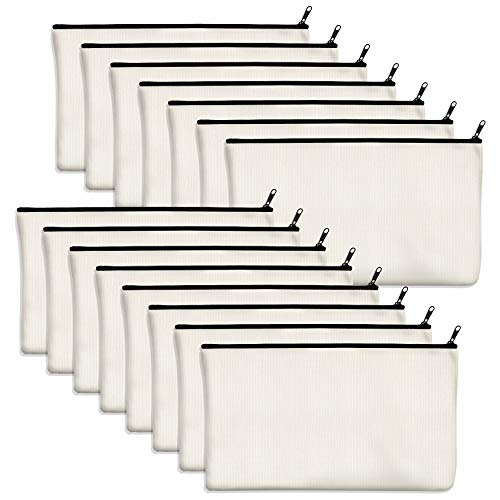
Fifteen canvas zipper pouches may sound like a lot for one gate game, until the props begin to multiply. One pouch holds the animal figures, one holds the sticker book, one keeps spare paper signs, and one gathers the pens and the play log at closing time. Giving each kind of prop its own pouch turns tidy-up into a sorting game children can run themselves: figures in the green pouch, paper in the blue, and the gate is packed away in minutes.
The canvas suits indoor dry storage well, keeping small items together in a toy box, on a shelf, or in a basket by the hallway. Zippers keep pieces from wandering between play days, which matters when the whole game depends on small figures and small stickers. One limit deserves plain words: these pouches are not waterproof, so they belong indoors and away from wet gardens, spilled drinks, and rainy-day play on real grass. Pretend rain at the pretend gate is fine; real water is not. Used within that limit, the set gives the gate game a calm ending ritual — everything zipped away, the path clear, and the woodland world ready to open again another day.
Specs
- Type: Canvas zipper pouches
- Pack size: 15-pack
- Role in play: Prop and small item storage
- Water resistance: Not waterproof
- Pouch size: Not stated
- Closure: Zipper
Pilot G2 Pens
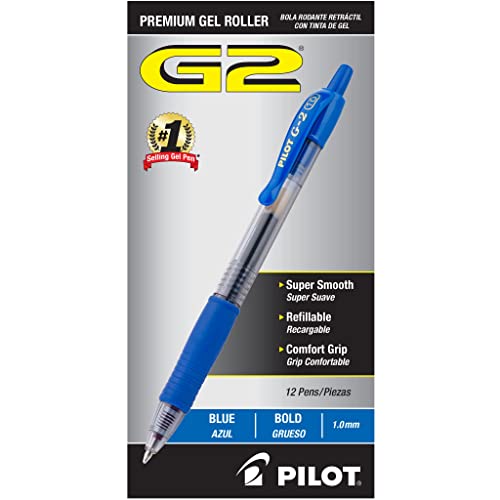
The grown-ups at the gate need a reliable pen, and gel pens earn their place on the keeper’s cushion. They write the visitor list when small hands tire, label each pouch so the sorting game runs smoothly, and add the fine print to gate signs — the opening words, the keeper’s name, and the arrow notes along the path. A smooth gel line reads clearly on paper signs and on plain labels, which helps children recognise the words they see every play day.
Keeping one or two pens as gate pens, stored in the pen pouch, avoids the usual hunt through kitchen drawers when a visitor arrives unannounced. Grown-ups can also use them for quick notes in the play log: who kept the gate, which sign hung that day, and any small repairs the cardboard gate needs before its next opening. Pens stay a grown-up tool in this game; younger children use crayons or pencils for their own marks, while the keeper’s pen handles the official record. Paired with the notebooks, the pens turn the log into a keepsake the family can flip through long after the cardboard gate has been folded away, and they make each new play day easy to set up again.
Specs
- Type: Gel pens
- Role in play: Grown-up notes and labels
- Ink colour: Not stated
- Tip size: Not stated
- Pack size: Not stated
FAQ
What age suits pretend gate play best?
Children who enjoy naming, sorting, and simple turn taking usually settle into gate play happily, especially with a grown-up nearby for the first few sessions. The keeper and recorder roles suit older children, while younger ones often enjoy greeting visitors and carrying signs. Toddlers should watch from outside the pretend frame, since the animal figures are small.
How do grown-ups keep small figures away from toddlers?
Keep the figures in a zippered pouch under the keeper’s charge, hand them out one visitor at a time, and count them back in when the gate closes. Toddlers can join in safer ways: waving visitors through, holding a paper sign, or sitting on the waiting bench. When play ends, the pouch goes on a high shelf.
Can the pouches go outside for garden gate play?
The canvas pouches are not waterproof, so they belong indoors or in dry shade for short spells, and they should come back inside when play ends. Real rain, wet grass, and spilled drinks will soak through canvas. For a garden session, carry props in the pouches, set them on a dry mat, and store everything inside afterwards.
What should go in the play log?
Visitor names, the keeper rota, sign words, and small drawings of the gate all belong in the log. Children can also note which animal visited most and which sign they want to make next time. Keep the log to play matters only: full passwords and private household details belong in proper grown-up keeping, never in a play notebook.
Final verdict
A pretend gate game runs on small, well-chosen helpers. The Wild Toob supplies the visitors, the sticker book names the gate, the feela notebooks keep the log, the Vantasii pouches swallow the props at closing time, and the Pilot G2 pens handle the grown-up writing. None of it needs much room: a cardboard gate, a hallway path, and a shelf for the pouches will do. Keep the small pieces in older children’s hands, keep the canvas dry, and let the children run the gate. For families who like calm, story-led play that packs away neatly, this set of five covers the whole scene from first knock to final tidy-up.
Product and ASIN Reference
| Product | ASIN |
|---|---|
| Safari Ltd. Wild Toob | B000BNEOS0 |
| Fashion Angels Alphabet Sticker Book | B09N7XCNTN |
| feela Pocket Notebooks | B0BG4MFCZC |
| Vantasii Canvas Zipper Pouches | B08CMQ6QG4 |
| Pilot G2 Pens | B001AQPQBQ |