Key takeaways
- Set up a pretend school play day with simple props: animal figures, alphabet stickers, pretend registers, pouches and pens for lessons and story time.
A cardboard box becomes a school desk, the sofa becomes the front row, and suddenly the living room has a teacher, a register and a very serious lesson about animals. Pretend school is a favourite play day because it copies a routine children already know: lining up, taking turns, answering questions and packing a bag at home time. This kit keeps that game simple and safe. Every piece in it is a play prop, every name written down is invented, and a grown-up stays in charge of the small parts, the pens and the tidy-up count at the end of the school day.
The five picks below divide the jobs between them. Animal figures give the class something to teach about, alphabet stickers mark the pretend report cards, pocket notebooks become registers and lesson books, canvas pouches keep the play tools in one place, and gel pens stay mostly in grown-up hands for labels and notes. Nothing here needs batteries, screens or a long shopping list beyond the kit itself, and the whole school packs away into a small corner when the bell rings. Set it up once, and children will run the rest of the day themselves, with a grown-up nearby keeping an eye on the small pieces.
As an Amazon Associate, we earn from qualifying purchases.
How to choose
Begin with the maker age guidance on each item, and let that decide who handles what. A pretend school day works for a wide mix of ages, but the small figures and pen caps belong in grown-up keeping, handed out for a lesson and counted back in when the lesson ends. If a younger child still puts things in the mouth, keep the small pieces on the grown-up desk for the whole day and let that child work with the sticker book and the notebooks instead.
Keep the whole game pretend. Registers, report cards and name cards carry drawings, stickers and invented names only. No real personal details go on any play paper, and no amounts of any kind appear in the game, because a play school needs no money and no real records. That one rule keeps the day light, private and easy to repeat with fresh invented classes whenever the children want a new term.
Plan the tidy-up before the fun begins. Pouches give every tool a home, the notebooks hold the day’s pretend paperwork, and a final count at home time checks that figures, stickers, pens and caps are all back where they belong. Any piece that cracks, splits or sheds small bits comes out of play and stays out. When the school day ends, hands get washed, the kit goes back in its corner, and the classroom is a living room again.
Safari Ltd. Wild Toob

The animal figures are the teaching props of this pretend school, and they earn that job in the first lesson of the day. The teacher picks a figure from the tube, holds it up, and the class names the animal, copies the name with alphabet stickers, and draws it in a lesson notebook. A tube of small wild animal figures gives one small prop for every pupil in a pretend class, plus a few spare animals for counting games, sorting by size, and story time at the end of the day.
Because the figures are small parts, they live in grown-up keeping. A grown-up hands them out when a lesson needs them and counts them back in when the lesson ends, the same way a real teacher guards the class scissors. Any figure that cracks, splits or loses a piece comes out of play and stays out. Kept that way, the tube stays a tidy, ready prop box: animals for the nature lesson, characters for the story, and counters for the number work, all in one place.
Specs
- Form: Tube of small wild animal figures
- Role in the kit: Teaching props for pretend lessons and story time
- Handling: Small parts, kept in grown-up keeping
- Care: Retire any figure that cracks or breaks
Fashion Angels Alphabet Sticker Book

Stickers are the paperwork glue of a pretend school day. Alphabet stickers spell out names on pretend name cards, mark the good-work page in a lesson notebook, and fill the boxes on a pretend report card at the end of the week. Because the letters do the writing, a younger child who cannot yet form letters can still take part in every writing job the class sets, while an older child can spell out whole invented names for the register.
The book keeps all of that in one flat, tidy place, ready on the teacher desk beside the notebooks. Stickers go on play paper only: report cards, name cards and notebook pages made for the game, never on furniture, walls or skin. When a page is full, it goes into a pouch with the rest of the day’s pretend paperwork, so the classroom floor stays clear and the next school day can pick up where this one left off. A full book lasts a good run of play days, and the alphabet theme keeps every lesson tied to letters.
Specs
- Form: Sticker book
- Content: Alphabet stickers
- Role in the kit: Marking pretend report cards, name cards and good-work pages
- Handling: Part of the play paperwork, kept with the notebooks
feela Pocket Notebooks

Three pocket notebooks give the pretend school its paperwork: one becomes the class register, one holds the lesson plans, and one is the story notebook for the end of the day. The register is the heart of the game. Each play morning, the teacher opens it, reads out the invented names one by one, and the class answers with the kind of serious faces only pretend school can produce.
The rule for every page is simple: drawings, stickers and invented names only. No real personal details go into any notebook, and no amounts of any kind appear anywhere in the game. That keeps the paperwork private, silly and safe to leave on the shelf between play days. The small size suits a desk made from a cardboard box, and the books slip into a pouch at home time with the rest of the kit. A grown-up can rule fresh lines or write a heading when a younger teacher wants help, then hand the book back and let the lesson carry on.
Specs
- Pack size: 3 pocket notebooks
- Role in the kit: Pretend class registers and lesson notebooks
- Rule: Invented names and drawings only, never real personal details
- Handling: Kept with the play paperwork between play days
Vantasii Canvas Zipper Pouches
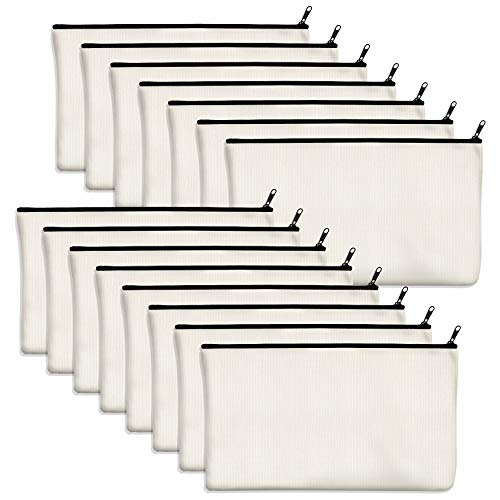
A school day falls apart without somewhere to put things, and that is the pouches’ job. Fifteen canvas zipper pouches hold the whole kit between them: figures in one, the sticker book in another, notebooks in a third, and pens in a fourth, with spare pouches for name cards and the day’s finished paperwork. Each pouch zips shut, so small parts stay put on the shelf and nothing wanders under the sofa.
Canvas suits a play corner that sees daily use, and the pouches wipe clean and fold flat when empty. One clear limit matters: the pouches are never waterproof, so drinks and water play stay away from the kit corner, and a damp pouch gets dried out before it goes back on the shelf. At home time, the count is simple: pouches on the shelf, each one zipped, each tool in its home. That small routine is half of what makes the next pretend school day so easy to set up.
Specs
- Material: Canvas
- Pack size: 15 pouches
- Closure: Zipper
- Water note: Never waterproof
- Role in the kit: Keeping play tools together
Pilot G2 Pens

Every school needs pens, and in a pretend school the gel pens belong mostly to the grown-ups. A grown-up writes the labels on the pouches, rules the lines in the register, and adds the notes that keep the kit in order: which pouch holds the figures, which notebook is the register, and what needs replacing before the next play day. Gel ink writes smoothly on cards and labels, so the grown-up paperwork looks neat with very little effort.
Older children may draw with the pens under supervision, sketching the animals for the nature lesson or ruling their own report card boxes. Pen caps are small parts, so the pens live in grown-up keeping, caps on, in their own pouch, and they join the final count at home time like everything else. Kept that way, the pens stay a helpful tool rather than a mess risk, and the one pouch rule means nobody hunts for a pen while the class waits.
Specs
- Type: Gel pens
- Role in the kit: Grown-up labels and notes
- Supervised use: Older children drawing under supervision
- Handling: Caps are small parts, kept in grown-up keeping
FAQ
What age suits a pretend school and classroom play day?
Follow the maker age guidance on each item, and let it lead. The game suits a wide mix of ages because the jobs scale: younger children peel stickers and draw, older children run the register and teach the lessons. Small parts, including the figures and pen caps, stay in grown-up keeping whatever the ages, and a grown-up stays nearby for the whole day.
How do we keep the pretend paperwork private?
One rule covers it: drawings, stickers and invented names only. Registers, report cards and name cards never carry real personal details, and no amounts appear anywhere in the game. The notebooks live with the kit between play days, so the pretend paperwork stays pretend from the first lesson to the last.
What does a grown-up do during the school day?
Supervision, mostly. A grown-up hands out the small parts when a lesson needs them, keeps the pens and caps in grown-up keeping, helps with headings or labels when asked, and runs the final count at home time. Any piece that cracks or breaks comes out of play and stays out, and hands get washed when play ends.
How does tidy-up work when the school day ends?
Count everything back in: figures into their pouch, pens capped and into theirs, notebooks and the sticker book stacked with the pretend paperwork. Check the floor and the sofa edges for strays, zip every pouch, and put the kit back in its corner. The count takes two minutes and means the next school day can begin at once.
Final verdict
For a play day that runs on imagination and routine, this kit has the balance right. The figures give the lessons a subject, the alphabet stickers and notebooks carry the pretend paperwork, the pouches give every tool a small home of its own, and the gel pens stay where they belong, in grown-up hands for labels and notes. Nothing in the kit is eaten, nothing real is written down, and every small part is counted out and counted back in. If your children already play at teachers and pupils with whatever the house offers, this set gives that game a tidy kit of its own: quick to set up, calm to supervise, and easy to pack away when the bell rings and the classroom turns back into a living room.